
The Kyosho Ultima has been in production, on and off, since 1986 — so “a Kyosho Ultima” can mean five quite different cars. This guide puts every version we stock side by side, in pictures, so you can see what actually separates a Vintage Series re-release from a current race chassis.
The short answer
- Want the original 1986 car? The Ultima Legendary Series.
- Want its 1988 successor? The Ultima Pro Vintage Series.
- Want to actually race this season? The Ultima RB7.5.
- Want the cheapest way in? The Ultima SB DirtMaster.
Every Ultima is sold as an unbuilt kit. None includes a motor, ESC, servo, radio or battery.
The line-up at a glance
All five, same scale, same drivetrain layout — thirty-odd years apart.
Pre-order · due December
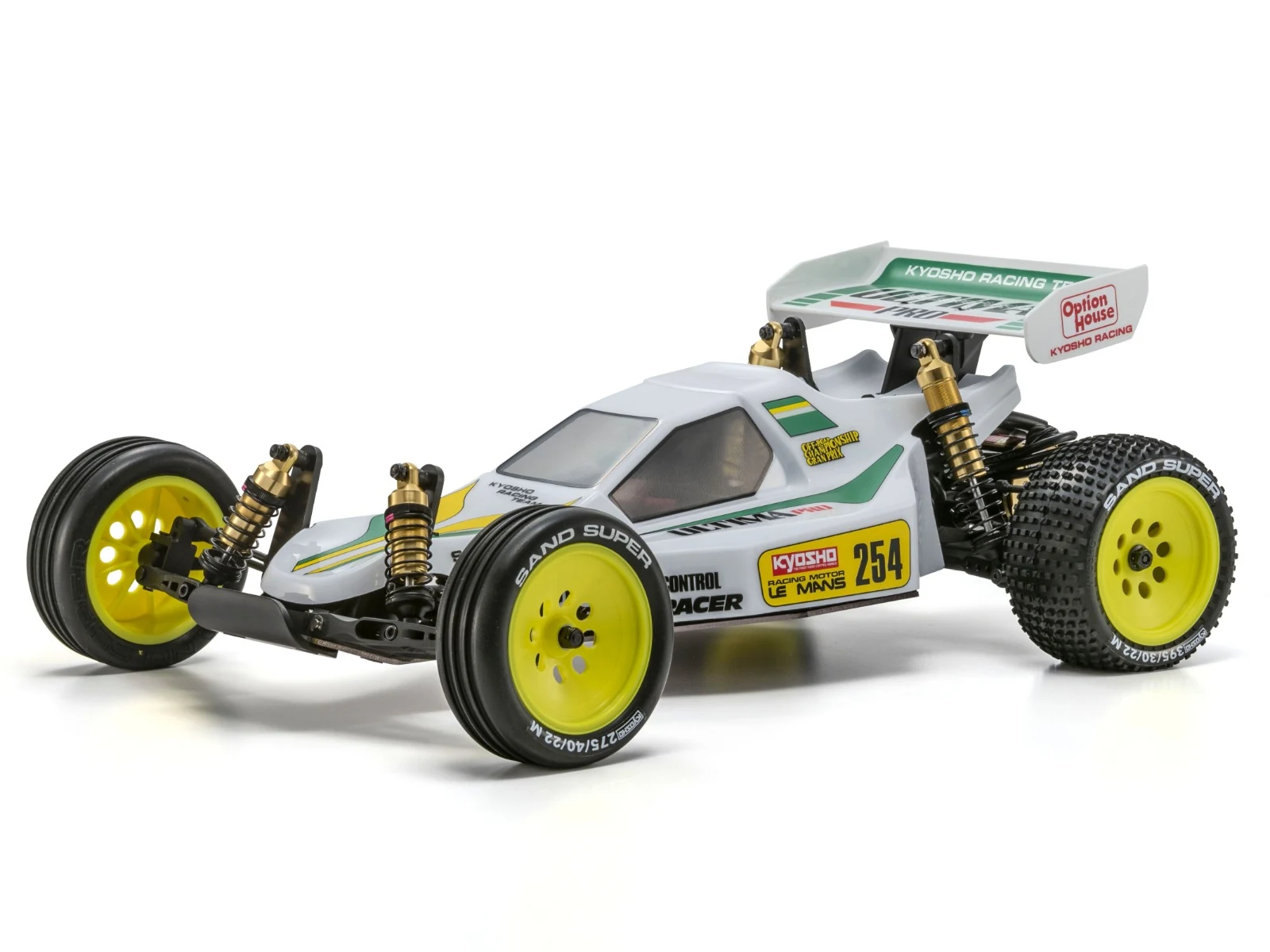
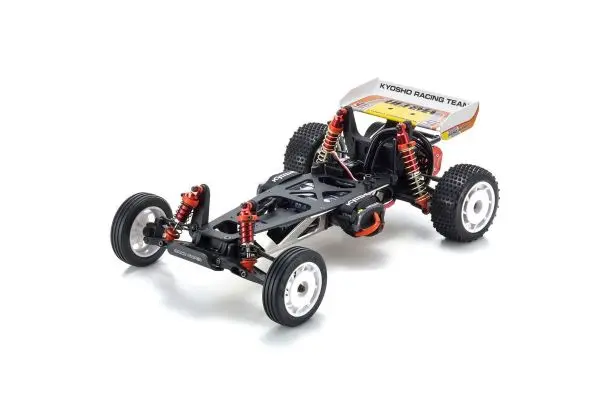
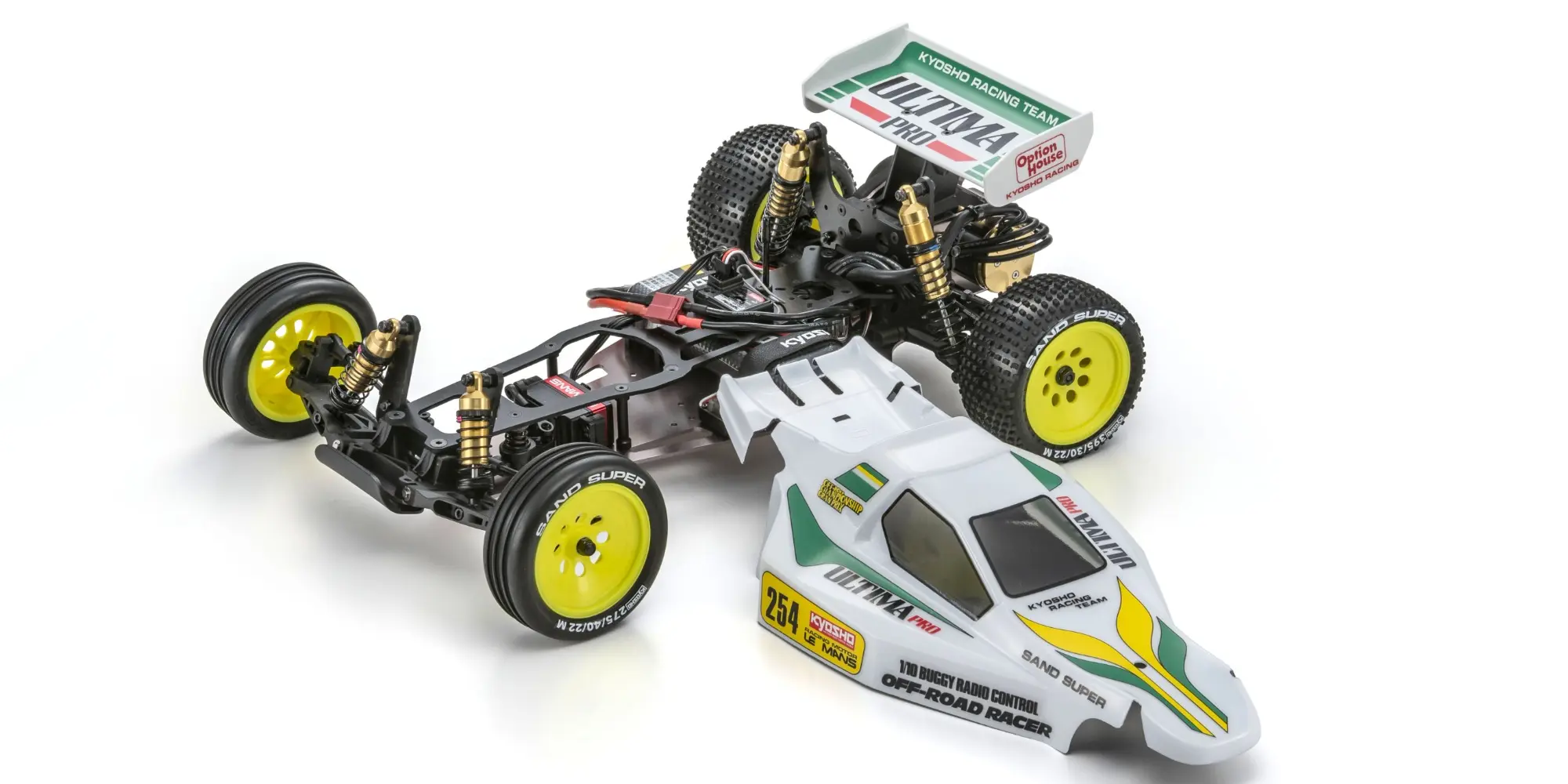
Ultima Pro
- Flat 6061 alloy chassis + FRP upper deck
- Gold dial-adjust oil shocks
- 2.2in wheels, ball diff, full bearings
Best for vintage classes and the most adjustable retro build
In stock
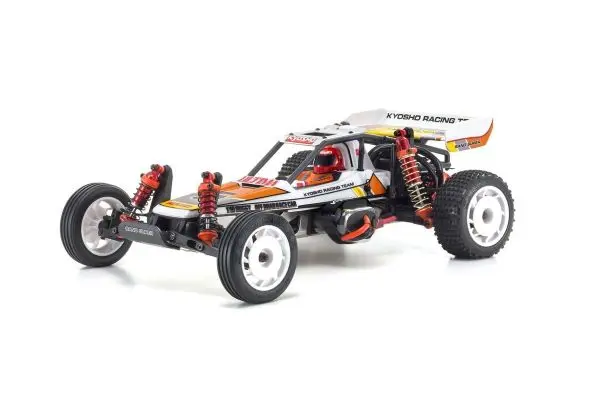
Ultima
- U-shaped alloy monocoque + resin upper deck
- Period-correct body and livery
- The 1987 Worlds-winning shape
Best for collectors and faithful period builds
Current race kit
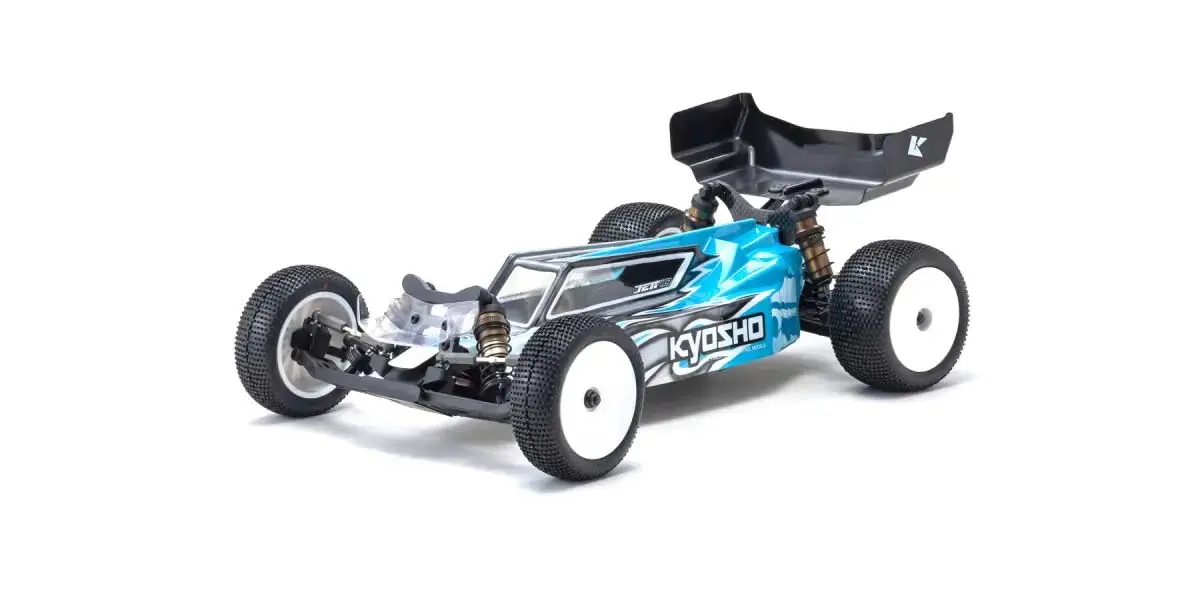
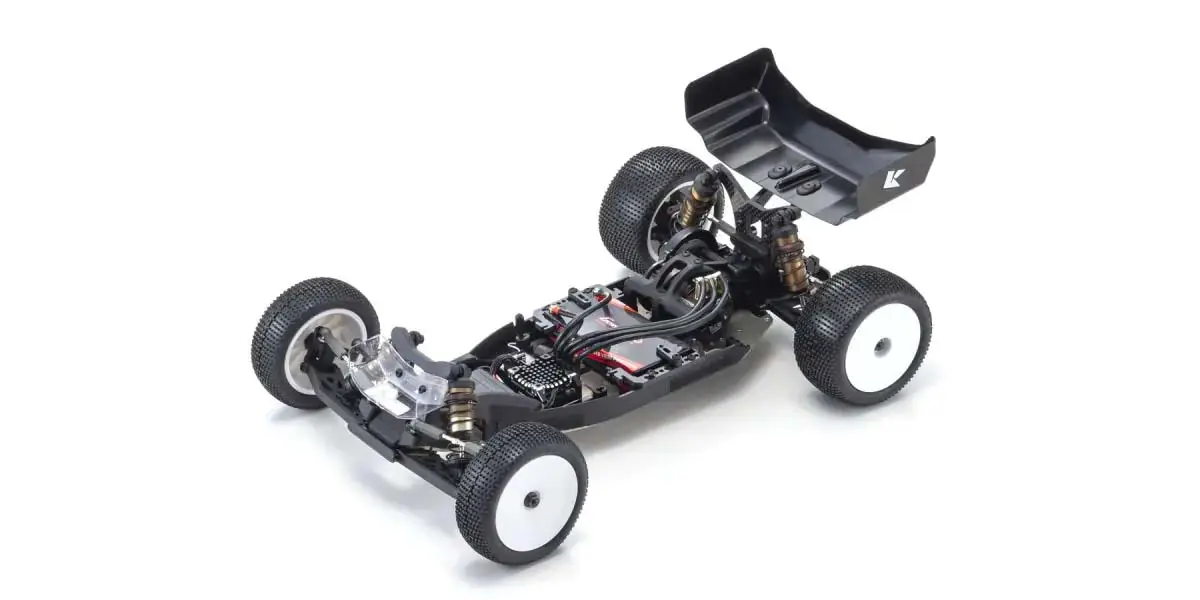
Ultima RB7.5
- Carbon chassis, low centre of gravity
- 13mm big-bore shocks, carbon stays
- Wide setup adjustment range
Best for club and national racing, carpet or dirt
In stock
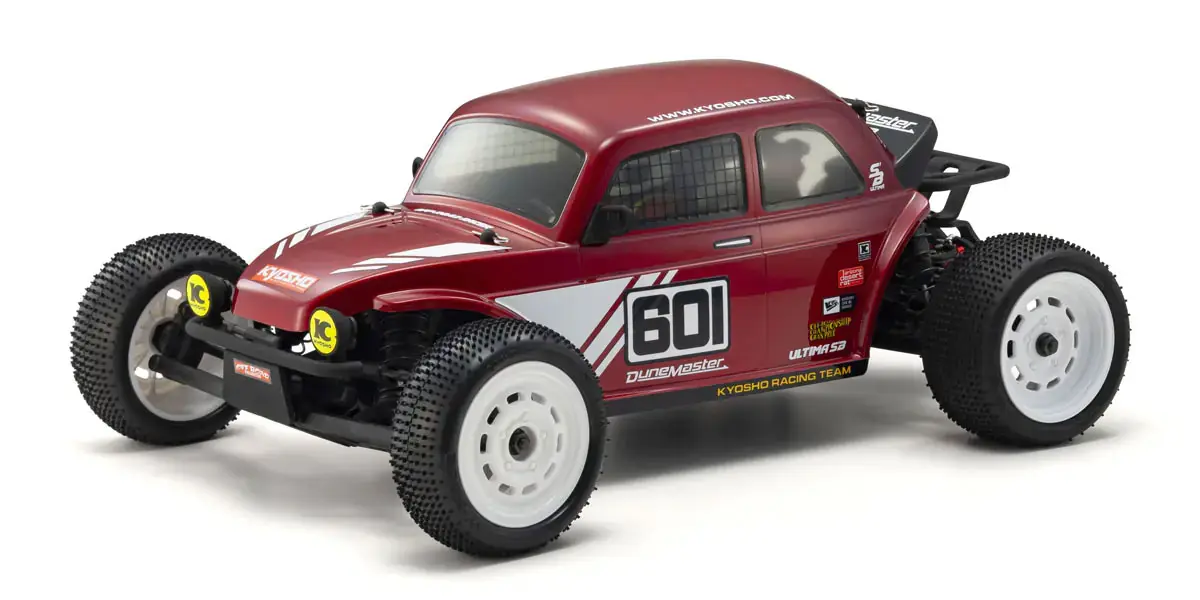
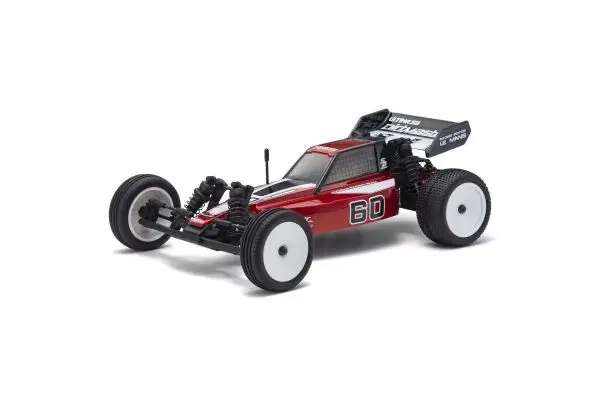
Ultima SB Dune Master
- Simpler, more affordable SB chassis
- Tall retro bodyshell
- Knobbly tyres for loose ground
Best for sand, loose dirt and rough surfaces
In stock
Ultima SB DirtMaster
- Lowest cost of entry in the range
- Low-line buggy bodyshell
- Same build experience, less outlay
Best for a first Kyosho kit build
Where they really differ: the chassis
The bodyshells tell you the era. The chassis tells you what the car is for — and this is where three decades of development actually show.
Every Kyosho Ultima compared
| Model | Era | Chassis | Drive | Best for |
|---|---|---|---|---|
| Ultima SB DirtMaster | Modern re-issue | SB platform | 2WD | First Kyosho kit build; lowest cost of entry |
| Ultima SB Dune Master | Modern re-issue | SB platform | 2WD | Loose, sandy and rough surfaces |
| Ultima (Legendary Series) | 1986, re-released | U-shaped alloy monocoque + resin upper deck | 2WD | Collectors and period-correct builds |
| Ultima Pro (Vintage Series) | 1988, re-released | Flat 6061 alloy chassis + FRP upper deck | 2WD | Vintage classes; most adjustable retro kit |
| Ultima RB7.5 | Current | Carbon, low centre of gravity | 2WD | Club and national racing |
How the Ultima line developed
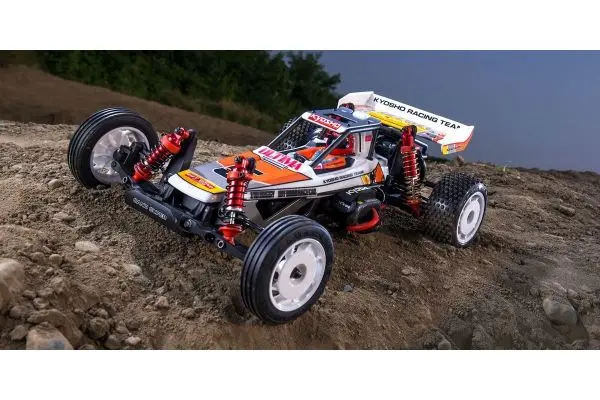
1986 — the original Ultima
Kyosho’s answer to an increasingly serious 1:10 electric off-road scene. Its U-shaped aluminium chassis and resin upper deck formed a monocoque, and the car took a 1-2-3 finish in the 2WD class at the 1987 IFMAR World Championships in the UK. That result is why the name still carries weight.
Available now as the Ultima Legendary Series re-release.
1988 — the Ultima Pro
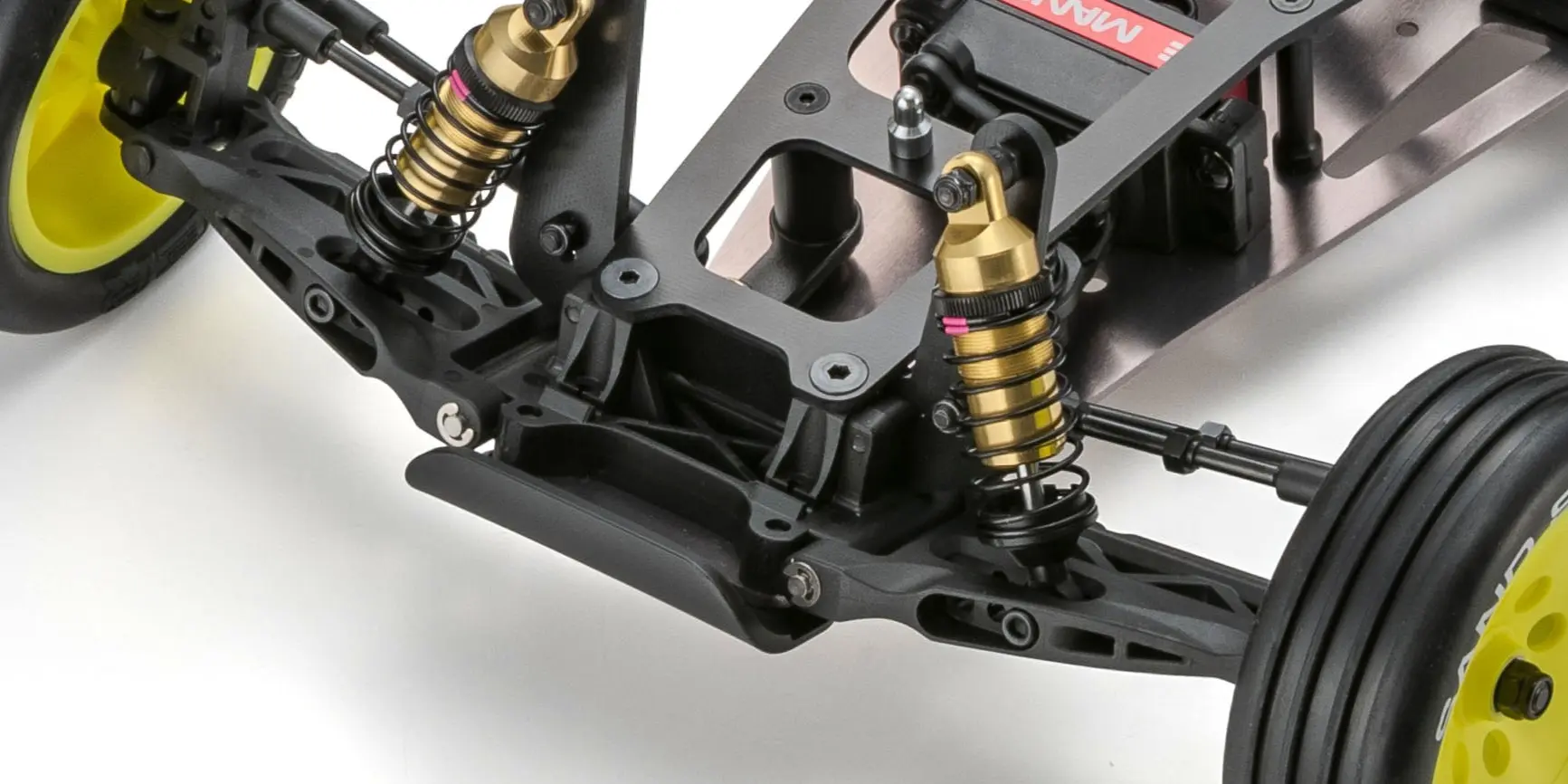
The natural evolution. The Pro dropped the monocoque for a double-deck layout, which gave a better balance of rigidity and controlled flex and far more freedom in mounting electronics and battery. A 1989 revision added longer front lower arms.
The Ultima Pro Vintage Series re-release is a hybrid of both: the 1988 car with the 1989 long arms, and the wheelbase extended a further 10mm for stability. It is the 21st model in the Vintage Series.
The SB era
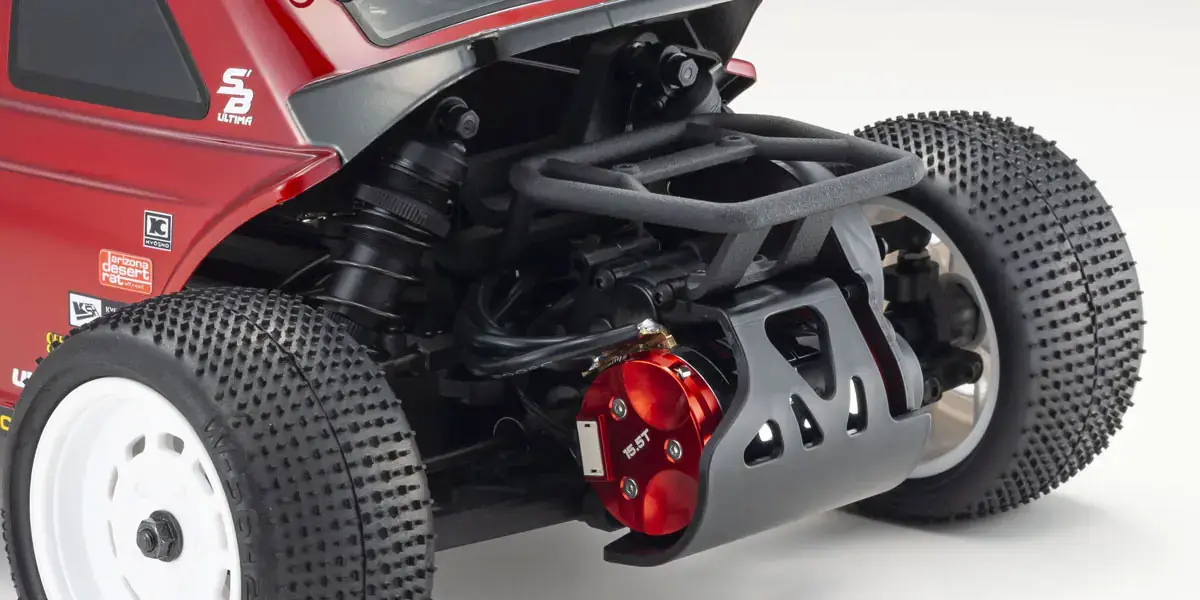
The SB DirtMaster and SB Dune Master carry the Ultima name on a simpler, more affordable 2WD platform. They are the sensible first Kyosho kit: the same build experience, less money at risk.
The two differ mainly in bodyshell and tyres — the Dune Master sits taller on knobblier rubber for loose ground, the DirtMaster runs a lower buggy shell.
Today — the RB7.5
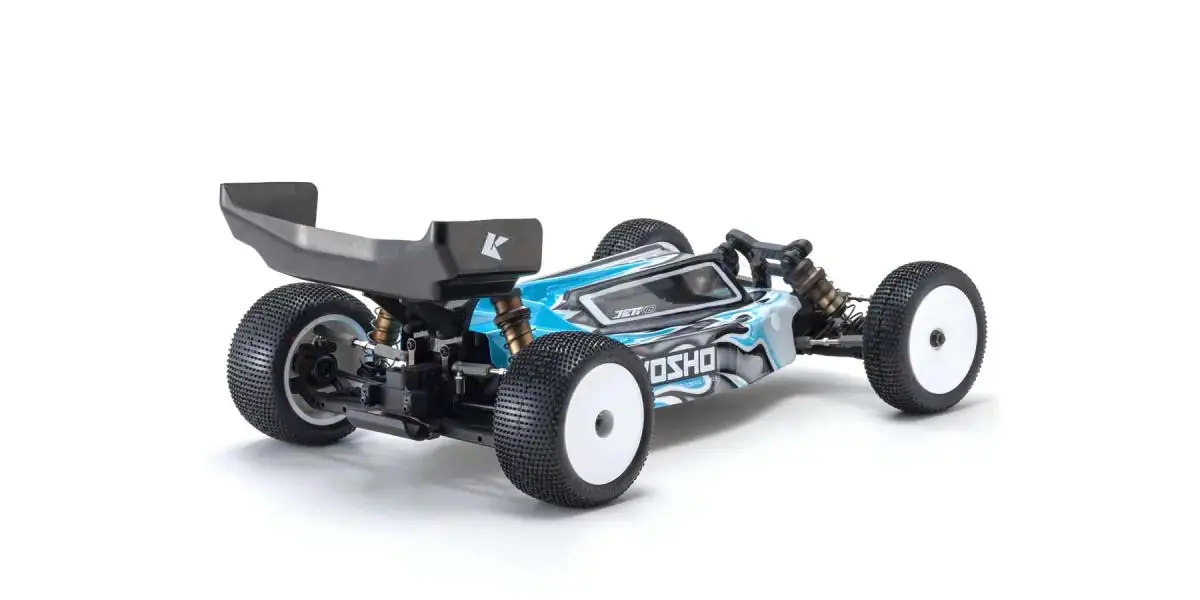
The Ultima RB7.5 is a current competition car and shares nothing with the vintage kits but the badge. Carbon chassis, 13mm big-bore shocks, carbon shock stays, a low centre-of-gravity battery mount and a wide adjustment range.
This is the one you buy to win races, not to admire.
Which Ultima should you buy?
Buy the RB7.5 if you are racing
It is the only Ultima with current spares support at national level and the only one designed around modern LiPo, brushless power and today’s tyres. A vintage kit will not be competitive against it.
Buy the Ultima Pro if you want the best retro kit
Of the re-releases, the Pro is the most satisfying to build and set up: turnbuckle tie rods for camber and toe, dial-adjust oil shocks rather than the original clamp collars, a ball differential as standard, and full ball bearings including the servo saver. It also takes 2.2in wheels, so tyre choice is far wider than the original car’s.
Buy the Legendary Series if you want the 1986 car
Choose it for what it is — the original shape, the original monocoque, the original livery. It is the collector’s pick.
Buy an SB if this is your first kit
You get the full build experience for meaningfully less outlay. DirtMaster for hard-packed surfaces, Dune Master for loose and sandy ground.
What you still need to buy
Every Ultima on this page is an unbuilt kit. Budget for all of the following:
- Motor — 540 class
- ESC (speed controller)
- Steering servo
- 2-channel radio and receiver
- Battery and charger
- Polycarbonate paint for the bodyshell
Our Ultima kit pages carry bundle options that match the electronics to the chassis and ship everything together, which is cheaper than buying the parts individually.
Frequently asked questions
What is the difference between the Kyosho Ultima and the Ultima Pro?
The 1986 Ultima uses a U-shaped aluminium monocoque with a resin upper deck. The 1988 Ultima Pro replaced it with a double-deck layout — a flat aluminium chassis and a separate FRP upper deck. The Pro is stiffer in the right places, easier to set up, and gives more room for electronics.
Is the Kyosho Ultima Pro a re-release?
Yes. The current Ultima Pro is the 21st model in the Kyosho Vintage Series, recreating the 1988 original with the 1989 long front arms and a 10mm longer wheelbase. The bodyshell is pulled from the original moulds.
Are Kyosho Ultima kits ready to run?
No. Every Ultima is an unbuilt kit. You supply the motor, ESC, servo, radio, battery, charger and paint.
Which Kyosho Ultima is best for racing?
The Ultima RB7.5. It is Kyosho’s current 1:10 2WD competition chassis, with a carbon chassis, big-bore shocks and full adjustability. The vintage re-releases are built for vintage classes and for building, not for open competition.
Can you still get spares for the Kyosho Ultima?
Yes. Kyosho supports the current RB7.5 and the SB platform with a full parts range, and the Vintage and Legendary Series re-releases are supported with their own dedicated spares. We stock Kyosho Ultima spares alongside the kits.
What scale is the Kyosho Ultima?
All Ultima models are 1:10 scale, two-wheel drive, electric powered off-road buggies.