Best RC Cars for a 12 Year Old — UK Buyer’s Guide 2026
Twelve is a sensible age to start talking about genuine speed rather than toy-grade RC. Reaction times, hand-eye coordination and patience with setup have usually caught up by now, and most 12 year olds have outgrown the slower pre-school buggies without yet having the experience to handle a full-size brushless basher unsupervised. The trick is matching the car to the child in front of you, not the fastest spec sheet on the page.
This guide covers everything from a controlled step-up model through to proper 80km/h brushless kit, with honest notes on which is right for a beginner versus a confident basher. If scale numbers like 1:12 and 1:16 mean nothing to you yet, our RC car scales explained guide is worth five minutes first, and it’s also worth reading about the hidden costs of batteries, chargers and spares before you buy, since the running costs often outweigh the car’s price over a year. If you’re still weighing up ages generally, our best RC car for kids by age hub is the place to start.
…at a glance
| Model | Best for | Type | Price |
|---|---|---|---|
| MJX Hyper Go H16E | Building skills first | 1:16 brushed truck | £89.99 |
| WLToys 124018 V2 | Budget bashing | 1:12 brushed buggy | £96.99 |
| Rlaarlo XTS-P12 (Blue) | First brushless step-up | 1:12 brushless 4WD | £149.99 |
| Rlaarlo XTS-P12 (Red) | Racing a sibling or mate | 1:12 brushless 4WD | £149.99 |
| MJX Hyper Go 14304 | Learning car control / drift | 1:14 brushless drift car | £99.99 |
| ZD Racing RX12 | Outright speed | 1:12 brushless 4WD, 3S ready | £119.99 |
1. MJX Hyper Go H16E — best for building skills first
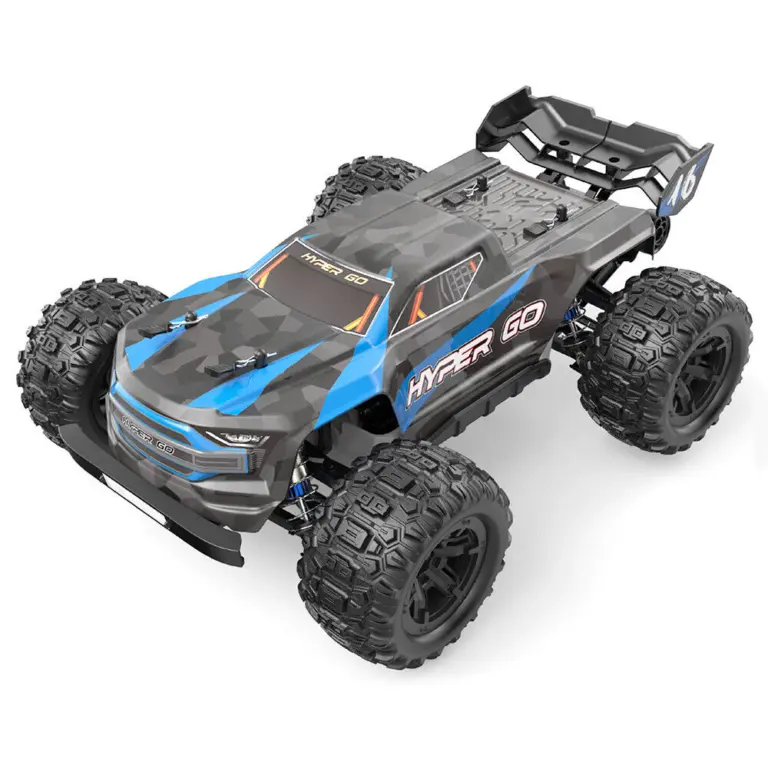
MJX Hyper Go H16E 1:16th Scale Truck with GPS Speedometer + Mobile App
1:16 scale truck, GPS speedometer, companion app
£89.99
View productNot every 12 year old is ready to jump straight into brushless territory, and that’s fine. The H16E’s smaller 1:16 footprint and GPS speedometer app let them track their own top speed and improve on it, which is a genuinely good way to build throttle control before stepping up to something quicker.
Best for: a 12 year old who’s new to RC or stepping up from a toy-grade car and wants to see real progress, not just a top speed number. Watch out for: the smaller scale means smaller, more fragile parts outdoors on rough ground — it’s best kept to smoother surfaces while confidence builds.
2. WLToys 124018 V2 — best for budget bashing
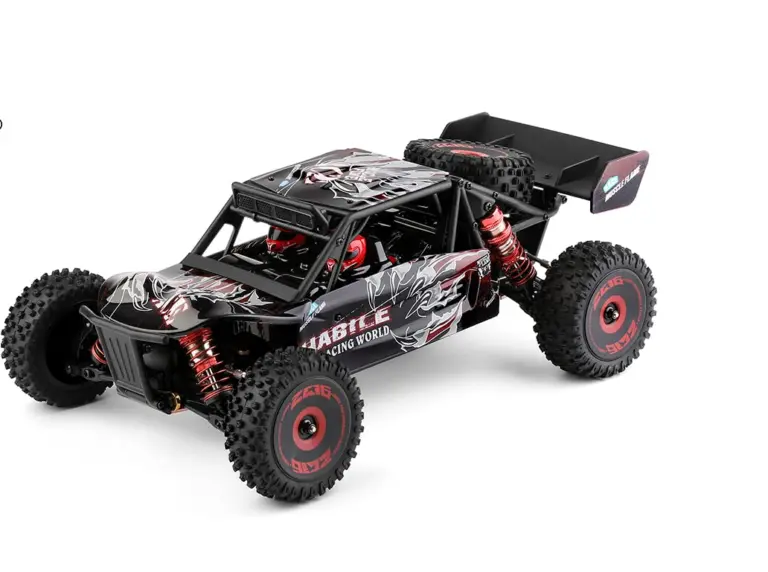
A brushed motor sounds like a downgrade next to all the brushless options here, but it’s actually a sensible choice for everyday bashing. Brushed power is more forgiving, cheaper to run, and the 124018 V2’s 1:12 buggy format is a proper size step up from the H16E without jumping straight to full brushless pace.
Best for: a 12 year old who wants a bigger, tougher buggy for the garden or park without the running costs of brushless. Watch out for: brushed motors wear out and lose power over time, so budget for a replacement eventually if it sees heavy use.
3. Rlaarlo XTS-P12 (Blue) — best for a first brushless step-up
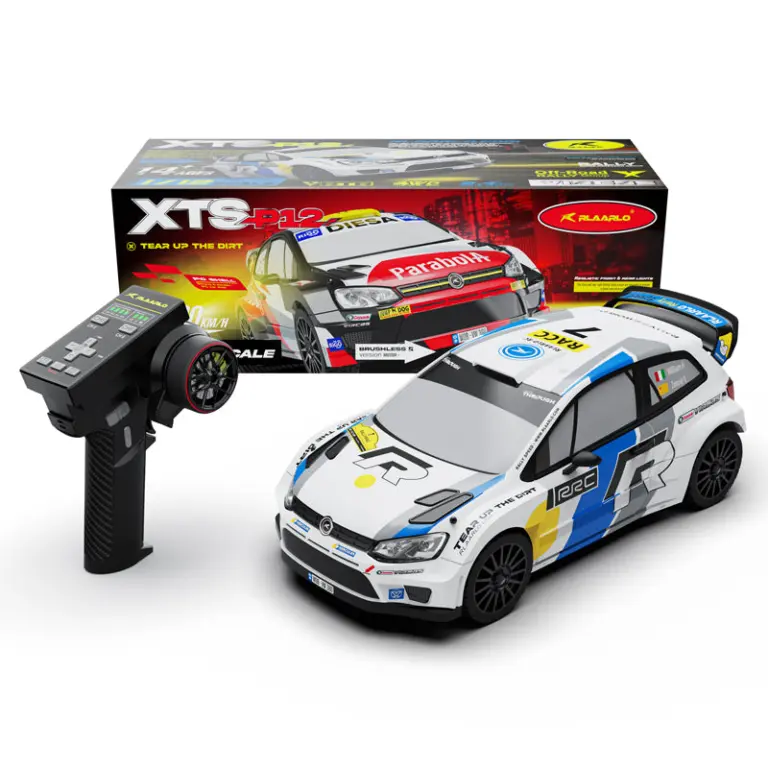
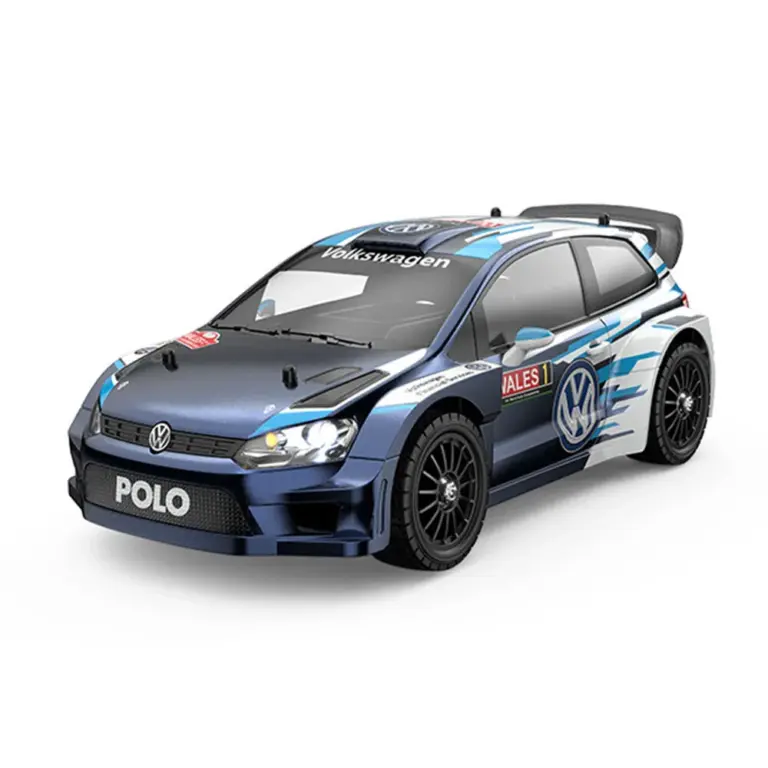
Rlaarlo XTS-P12 RC Rally car 1/12 Metal Brushless 4WD RTR – Blue
1:12 scale, metal chassis, brushless 4WD, RTR
£149.99
View productA metal chassis matters once speed and knocks go up — it shrugs off the inevitable clips against kerbs and fence posts far better than a plastic tub. The XTS-P12 pairs that durability with brushless power, giving a proper step up in pace from the brushed buggy without needing any aftermarket upgrades.
Best for: a 12 year old who’s shown they can handle the brushed buggy confidently and is ready for real brushless acceleration. Watch out for: brushless 4WD is noticeably quicker off the throttle — a quiet word about throttle control before the first run is worth it.
4. Rlaarlo XTS-P12 (Red) — best for racing a sibling or mate
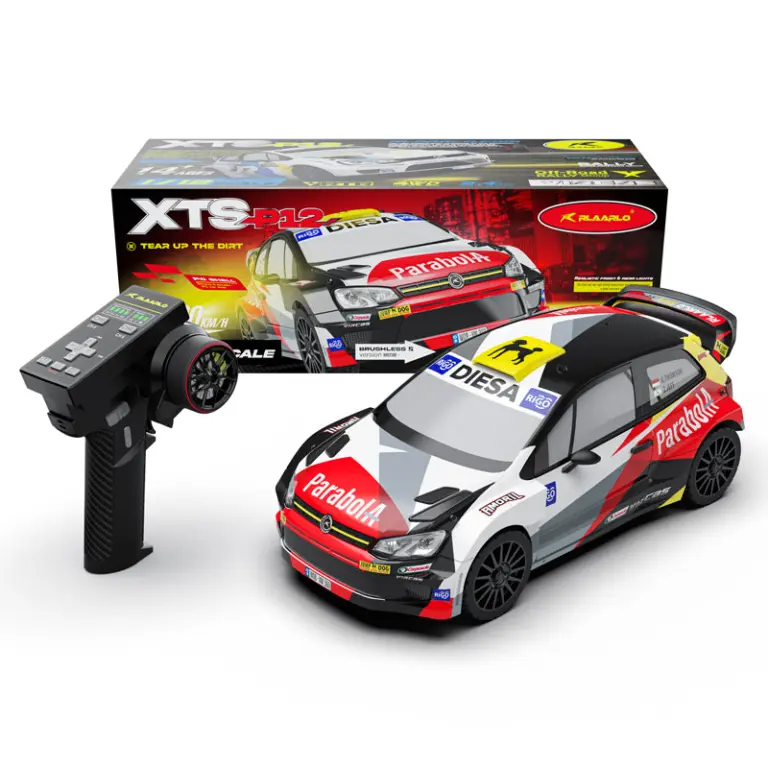
Rlaarlo XTS-P12 RC Rally car 1/12 Metal Brushless 4WD RTR – Red
1:12 scale, metal chassis, brushless 4WD, RTR
£149.99
View productSame spec as the blue version above, just in red — which is actually the main reason it’s here. Buying two matching XTS-P12s in different colours is a straightforward way to get two kids (or a parent and child) on genuinely even footing for side-by-side racing, rather than one child always driving the faster car.
Best for: households buying a second identical car for fair head-to-head racing. Watch out for: as it’s mechanically identical to the blue version, there’s no reason to pay the difference unless colour matching is the point.
5. MJX Hyper Go 14304 — best for learning car control
MJX Hyper Go 14304 Brushless Drift Car – 1/14 Scale, 67km/h Speed
1:14 scale drift car, brushless, up to 67km/h
£99.99
View productDrift cars are deceptively good teaching tools. The low-grip tyres mean the back end steps out well below the car’s top speed, so a 12 year old learns to catch slides and feather the throttle at a pace that’s actually manageable, rather than only ever driving flat out.
Best for: a 12 year old who enjoys the technical side of driving as much as speed, and wants something a bit different from straight-line bashing. Watch out for: drifting takes a smooth, hard surface — it won’t do much on grass or gravel.
6. ZD Racing RX12 — best for outright speed

ZD Racing RX12 RTR 1/12 4WD Brushless Drift & Rally Car (3S Ready, up to 80 km/h)
1:12 scale, brushless 4WD, 3S ready, up to 80km/h
£119.99
View product80km/h out of a 1:12 car is a serious amount of pace, and the 3S-ready electronics mean there’s headroom to go faster still once a bigger battery is added. This is the car to work up to once a 12 year old has genuinely proven they can handle the slower brushless options cleanly, not the one to start on.
Best for: a confident, experienced 12 year old who’s outgrown the Rlaarlo and 14304 and wants a car that can genuinely keep pace with their skill. Watch out for: stick to the 2S battery it comes ready for first — 3S power at this scale needs supervision and a big, open space.
What to look for
Match the motor to the skill level, not the other way round. A 12 year old can grow into brushless power fast, but starting on a brushed or GPS-limited car and stepping up gives better habits and fewer written-off cars in the first fortnight.
4WD and a sturdy chassis forgive mistakes. Every brushless model here is 4WD, which helps traction and makes the car easier to control at speed — important when reaction times are still developing.
Battery choice changes the running cost, not just the speed. Stepping from brushed to brushless, and from 2S to 3S, brings real performance gains but also real safety and storage considerations — our LiPo vs NiMH guide explains what’s actually involved before you buy a spare pack.
Supervision matters more at this speed bracket. A car that can do 60–80km/h needs a large, traffic-free space and an adult nearby, at least until the basics of throttle control and braking distance are second nature.
Frequently asked questions
Is a brushless RC car safe for a 12 year old?
What speed should a first RC car for a 12 year old be?
Do I need a separate battery and charger?
Brushed vs brushless — which is better for a 12 year old?
For more age-by-age advice, browse all of our RC buying guides, and if a car ever stops behaving as it should, our free RC car diagnostics tool is a good first stop before assuming the worst.