
















Rlaarlo Ak-787 Carbon Brushless 1:10 Scale Race Car - Orange (Dual Motor Version)
Key Specs
About this product
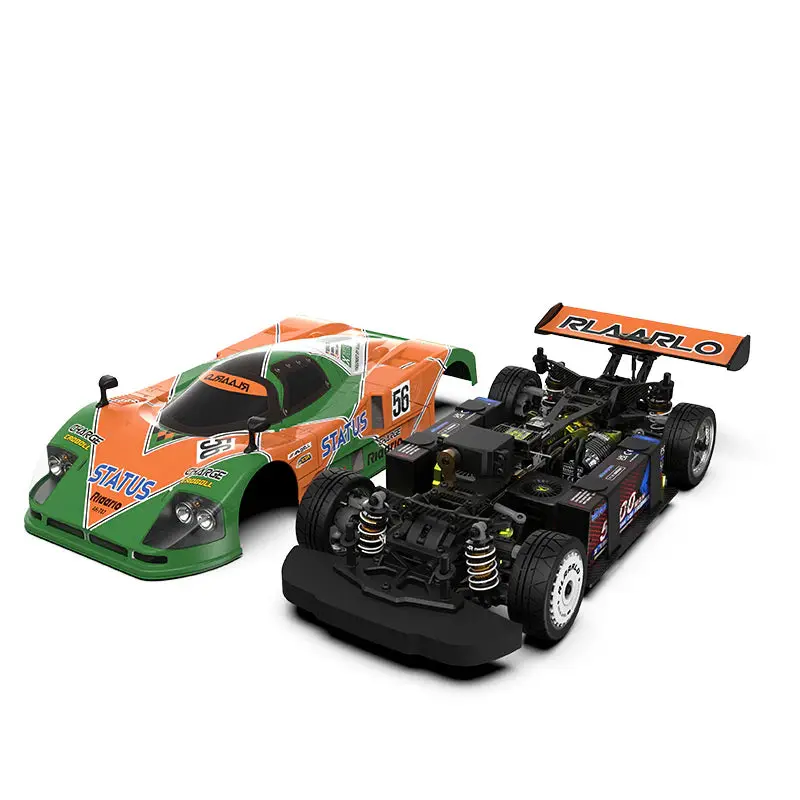
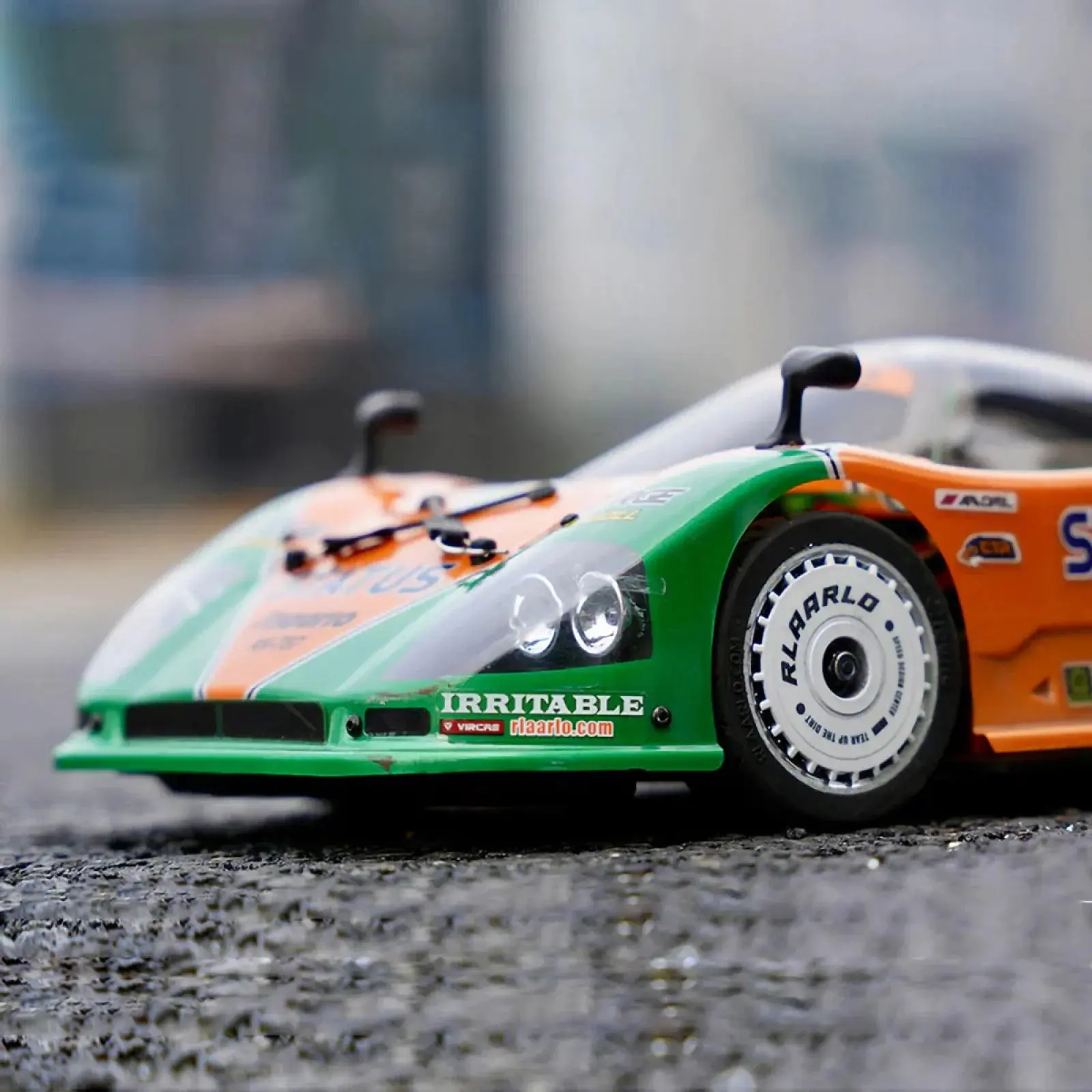
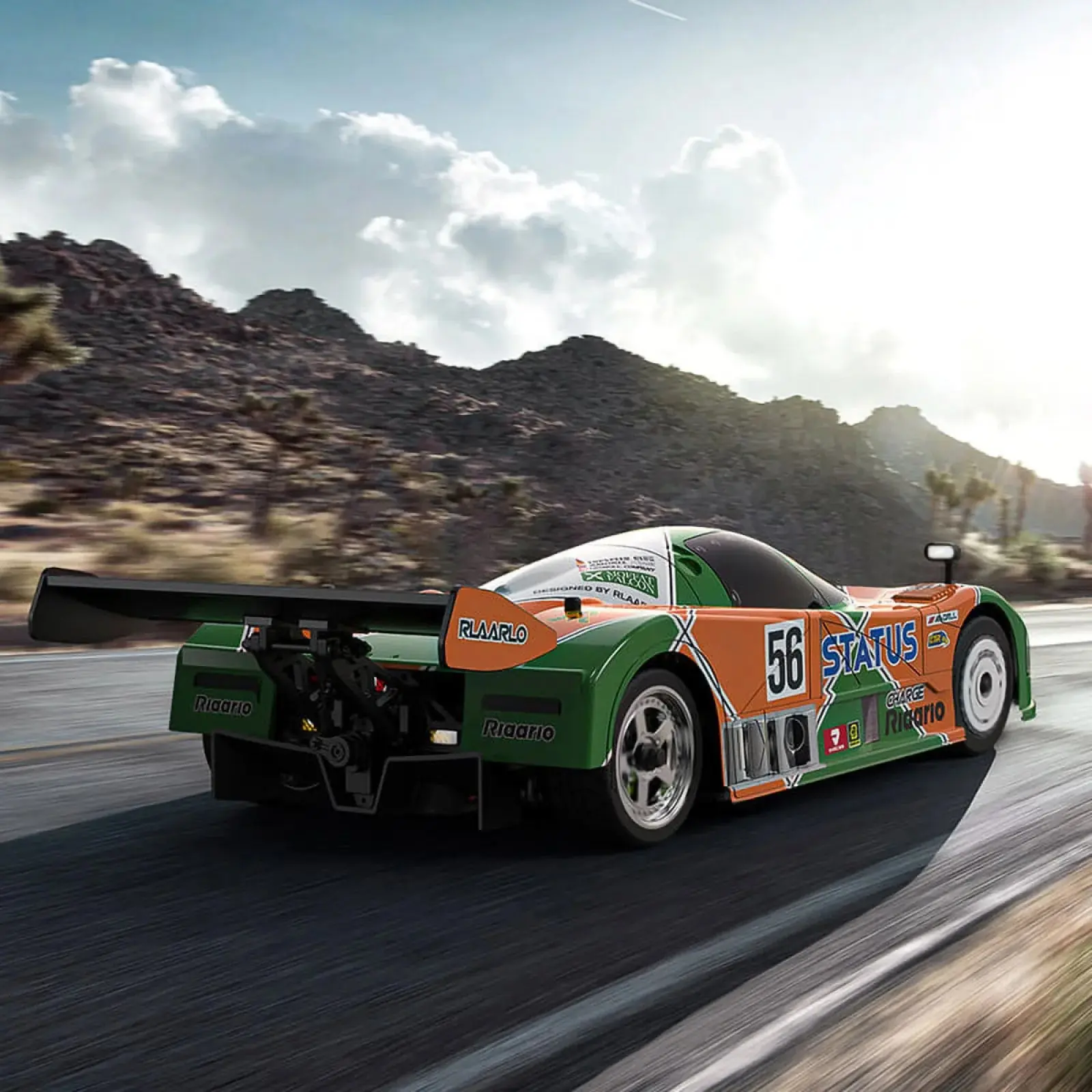
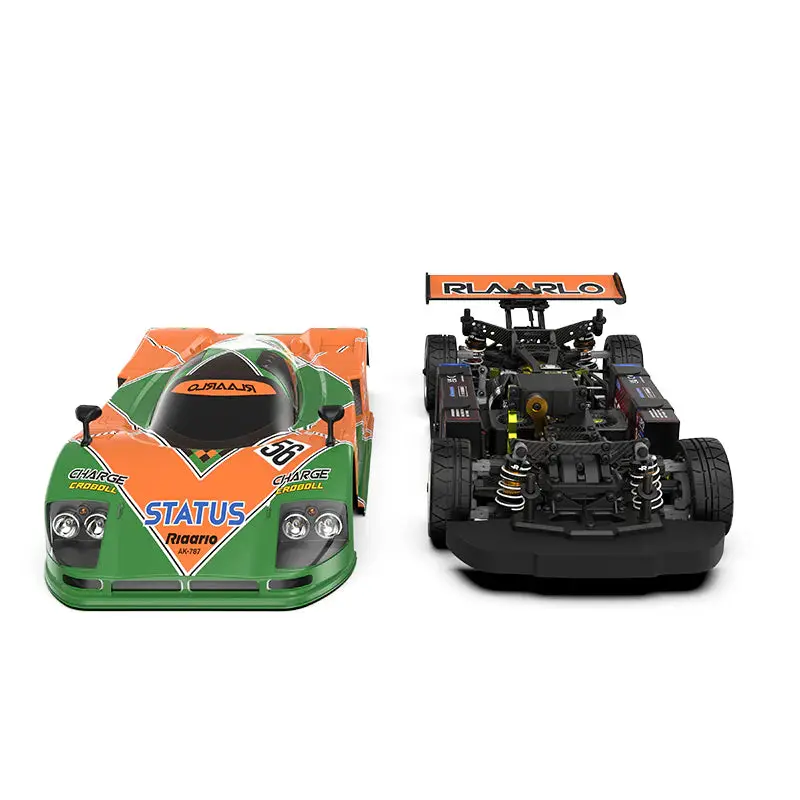
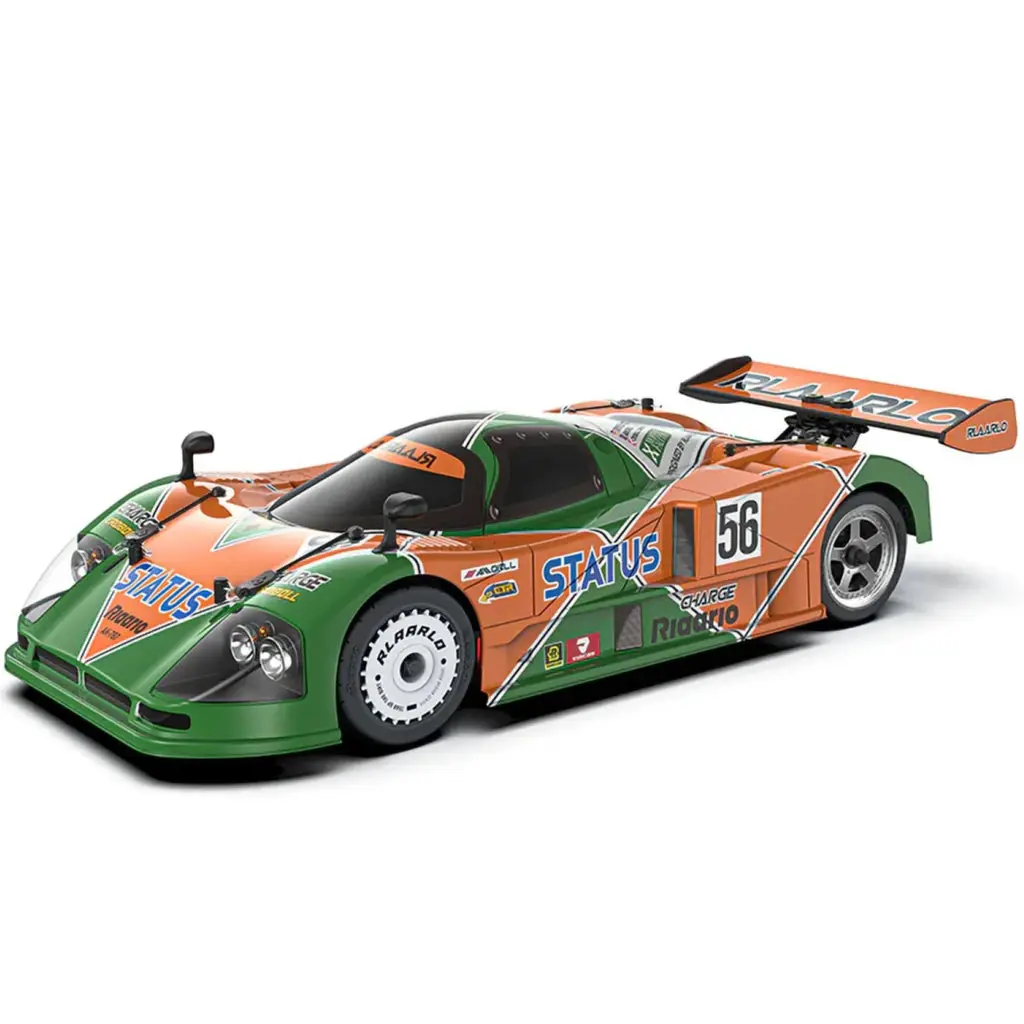
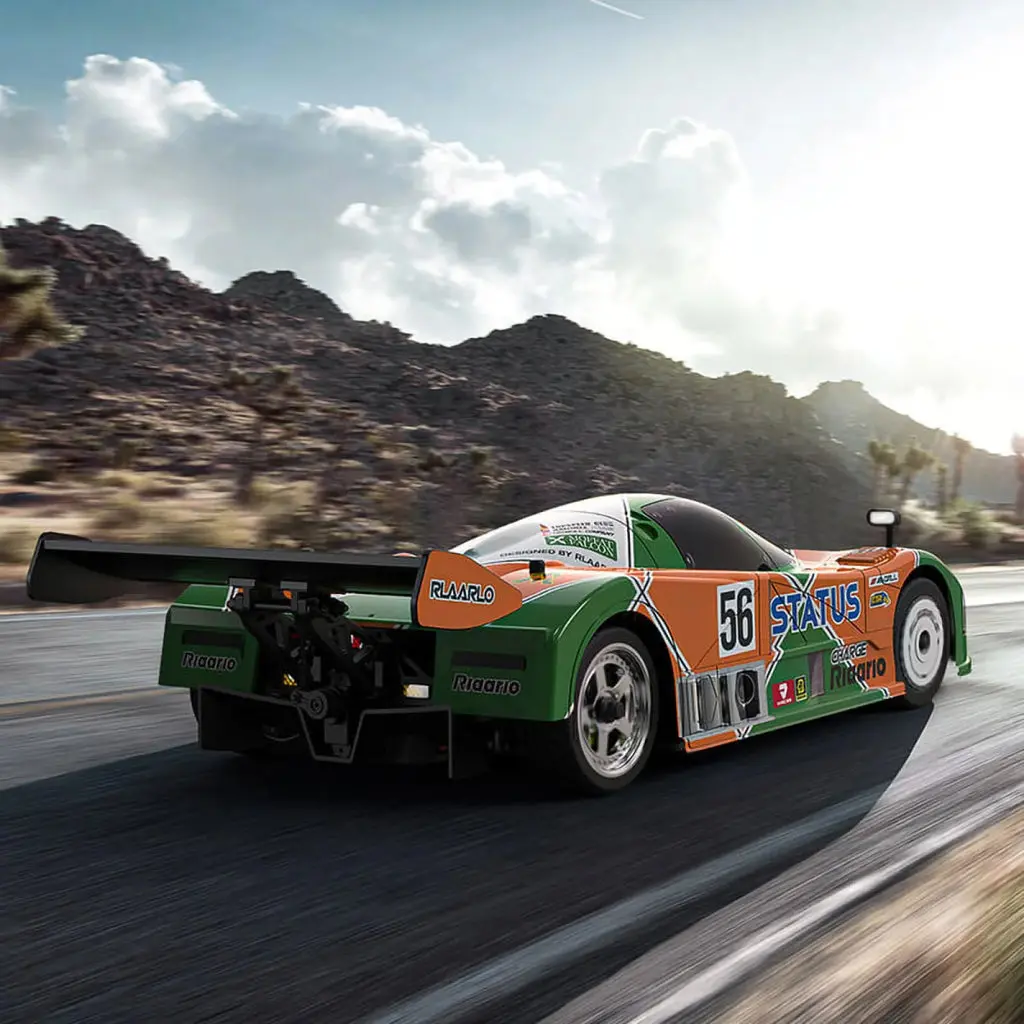
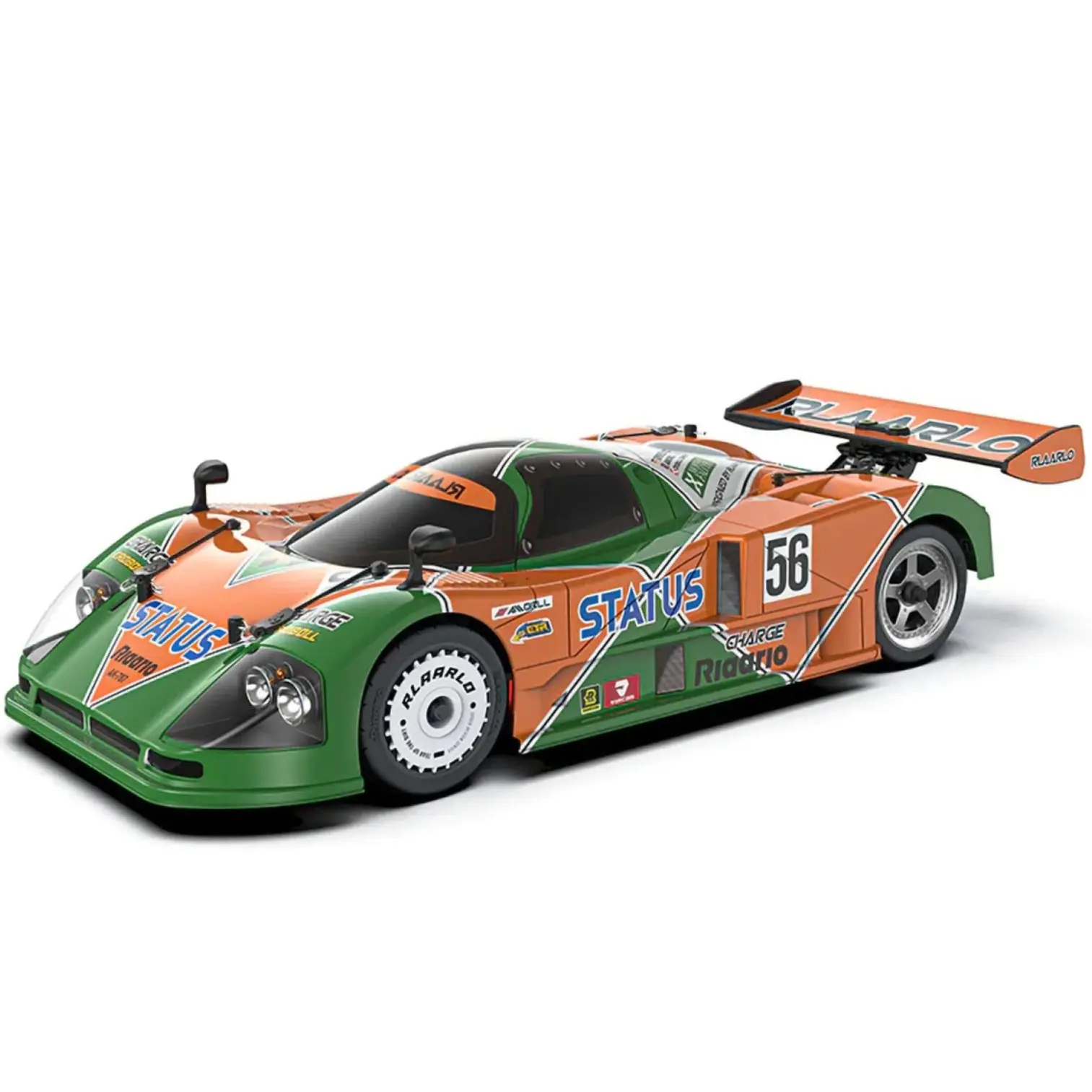
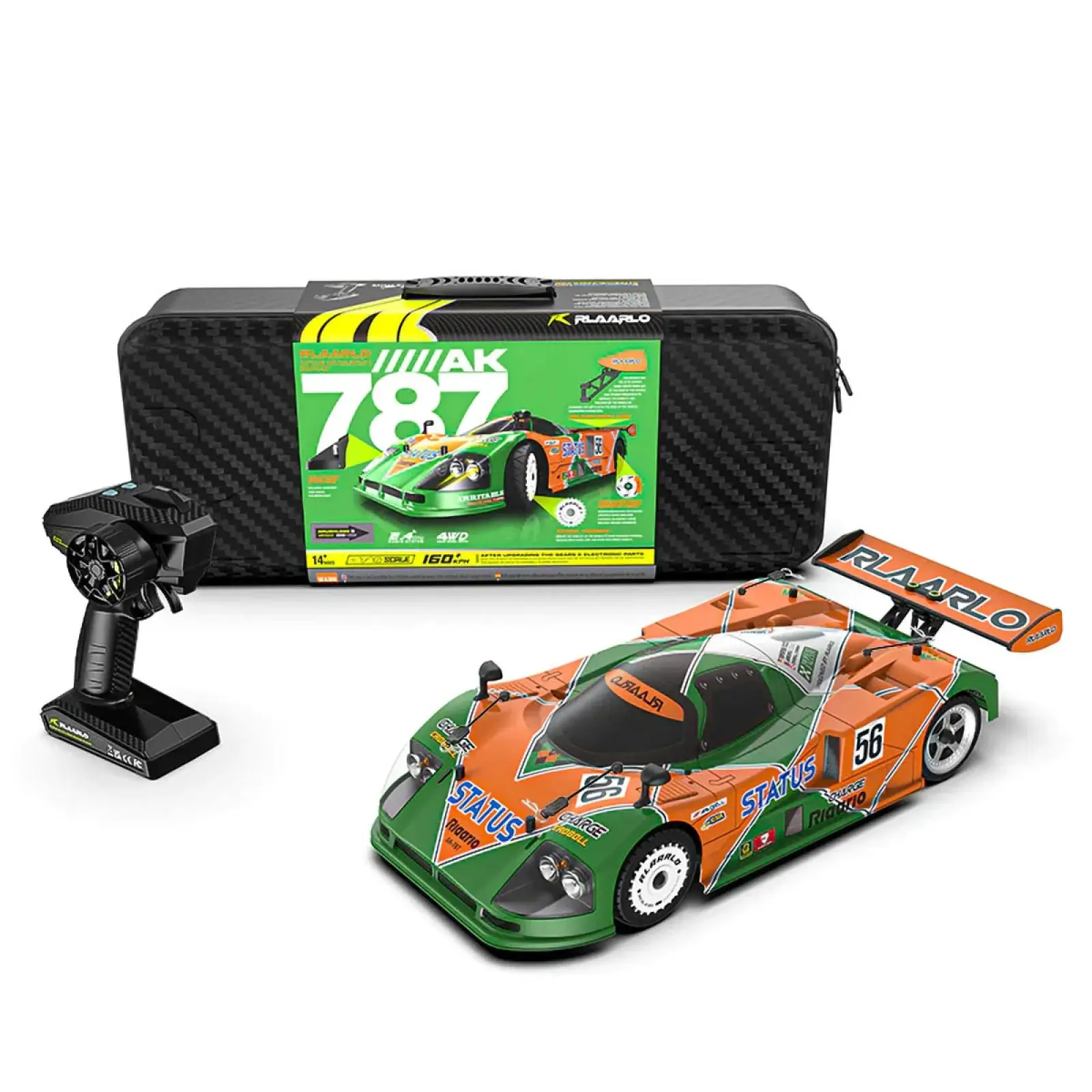
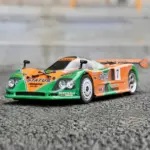
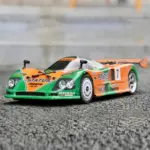
The Rlaarlo AK-787 Carbon Dual-Motor Edition; the ultimate racing experience for true speed demons. This remote-controlled on-road racer combines sheer power with the refined look of the legendary Mazda 787b and is ready to burst out of the starting blocks!
Being upgraded from a single motor to a dual 3660-3900KV motor setup enables large efficiency gains. For example, 180mph as a single motor will require 575-600 amps power. As a dual motor the same gearing can do 195+ mph and will be 200 less amps per ESC.
Features
- Fully assembled and ready to race (RTR)
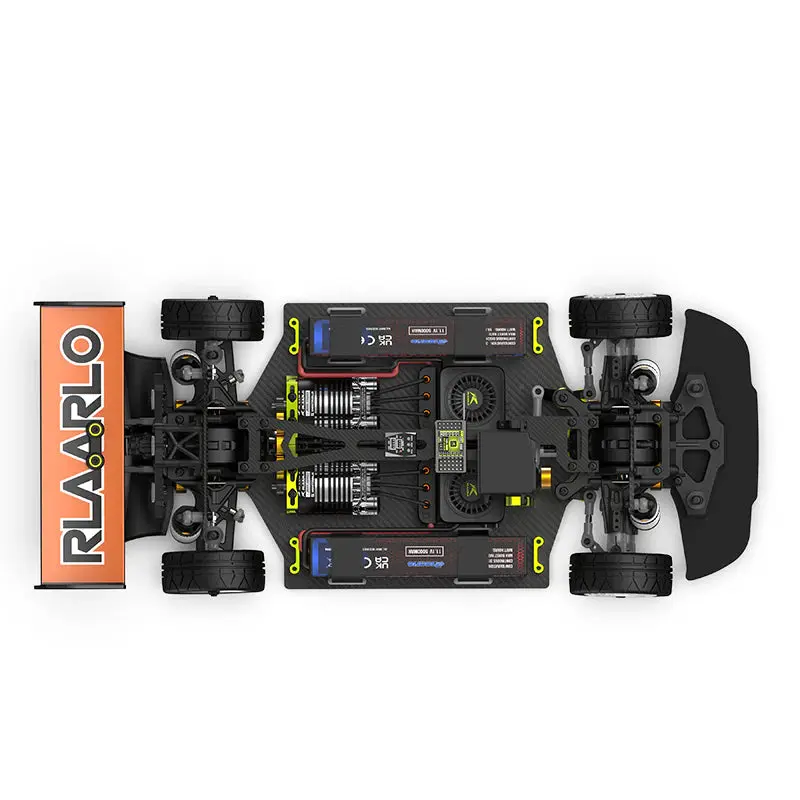
- Dual 3900KV motors and 120A ESCs
- Gyroscope included (optional install)
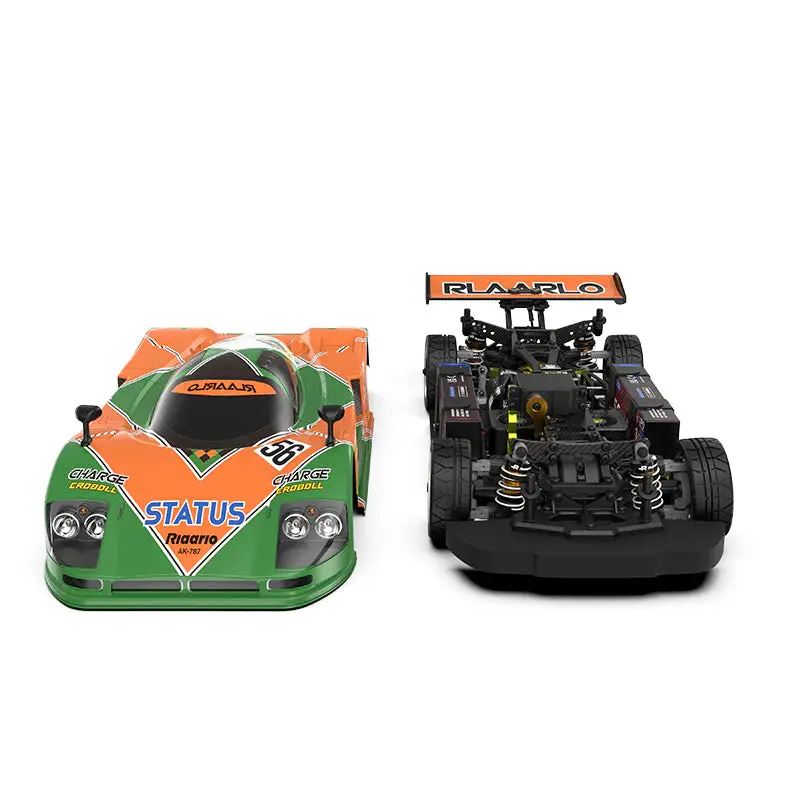
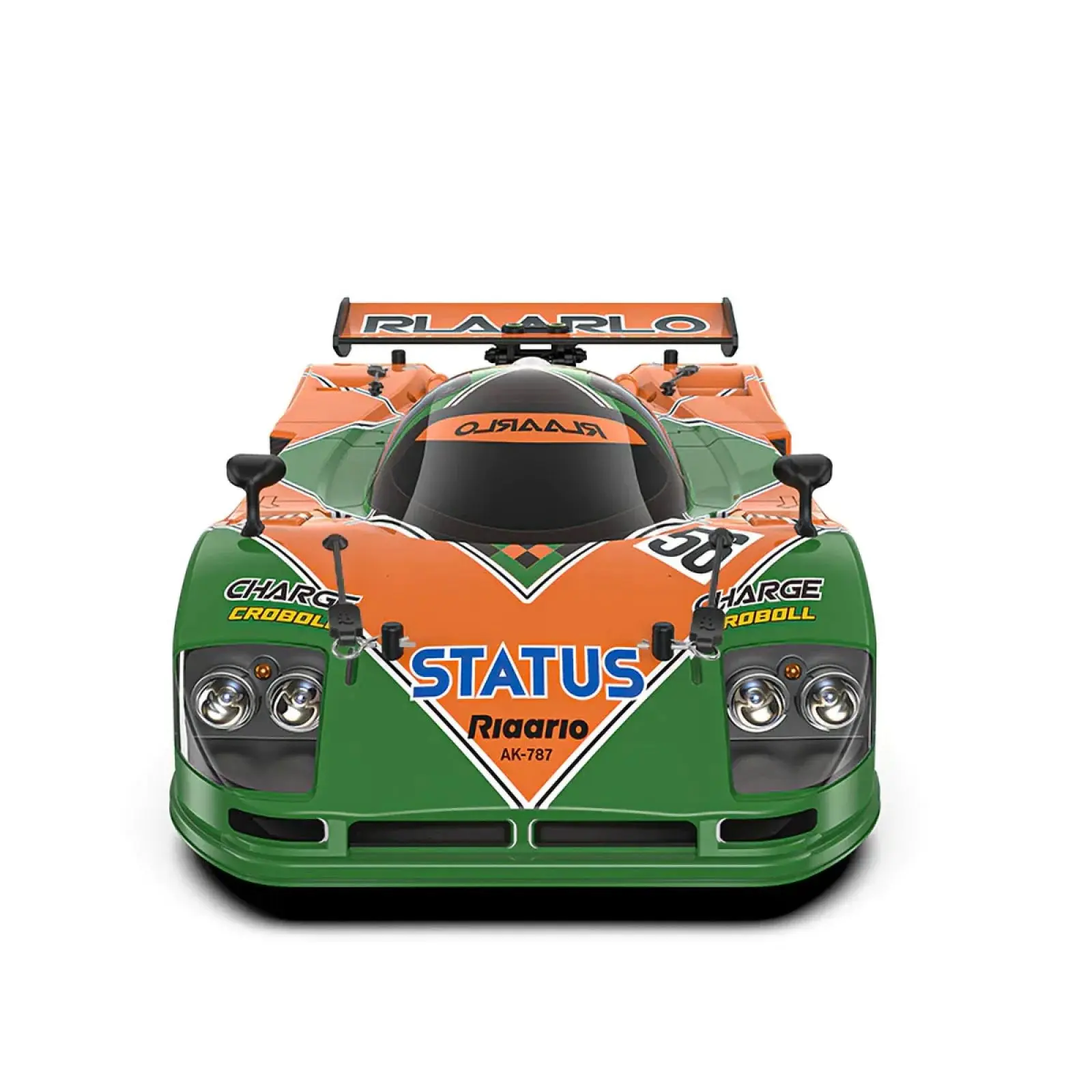
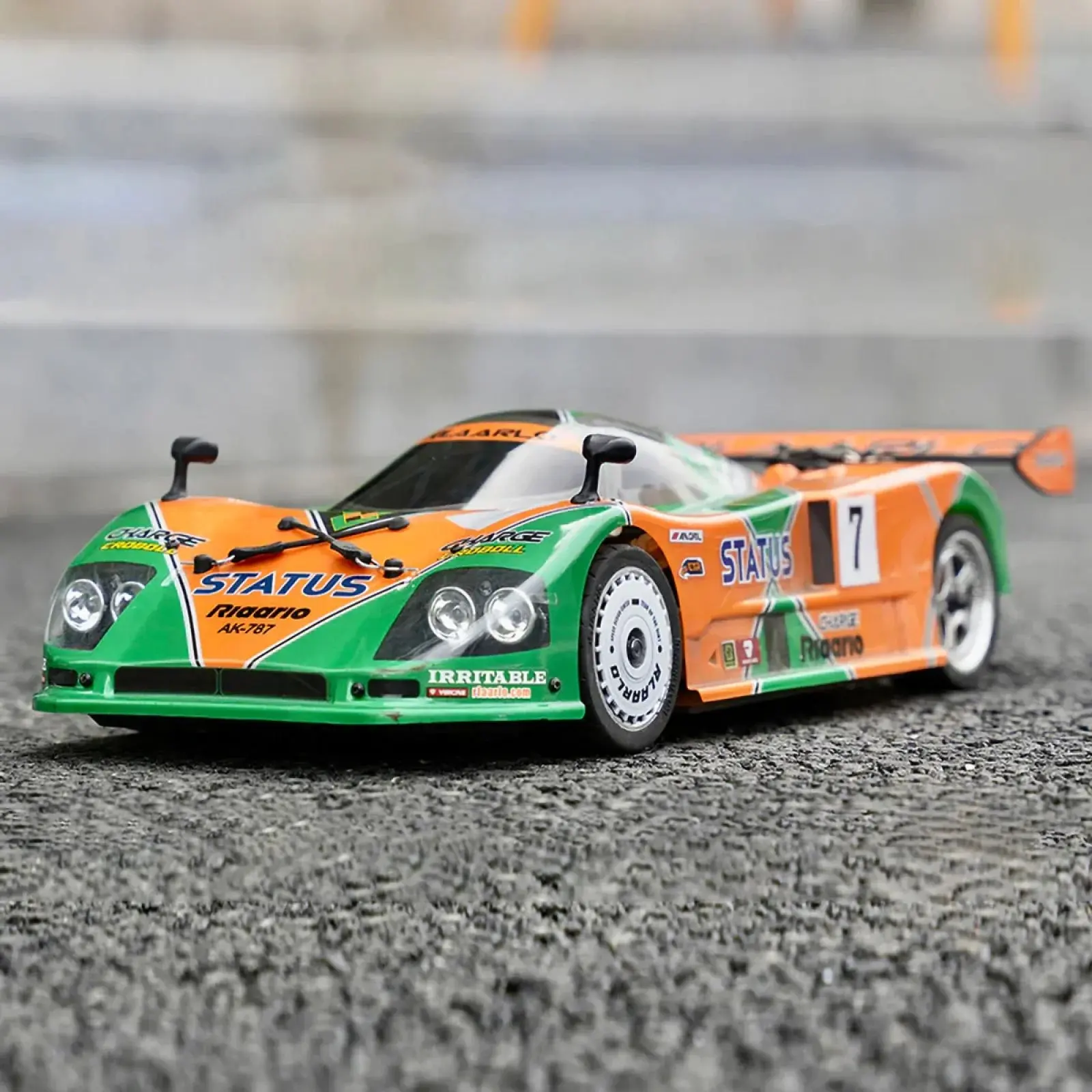
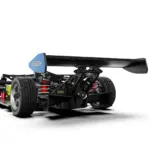
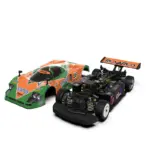
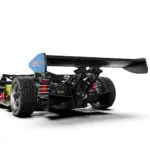
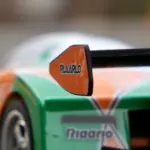
- Classic aerodynamic LeMans-style body
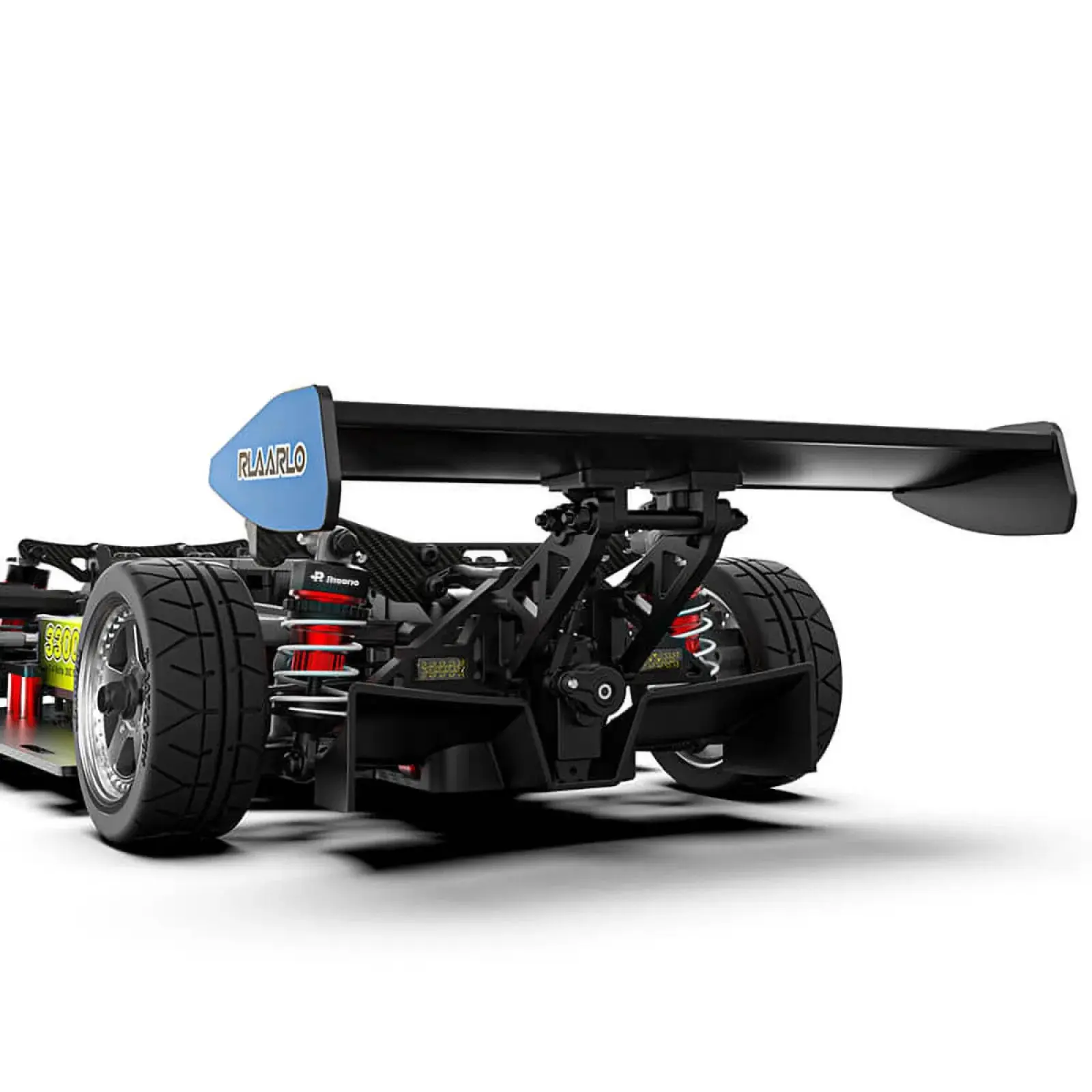
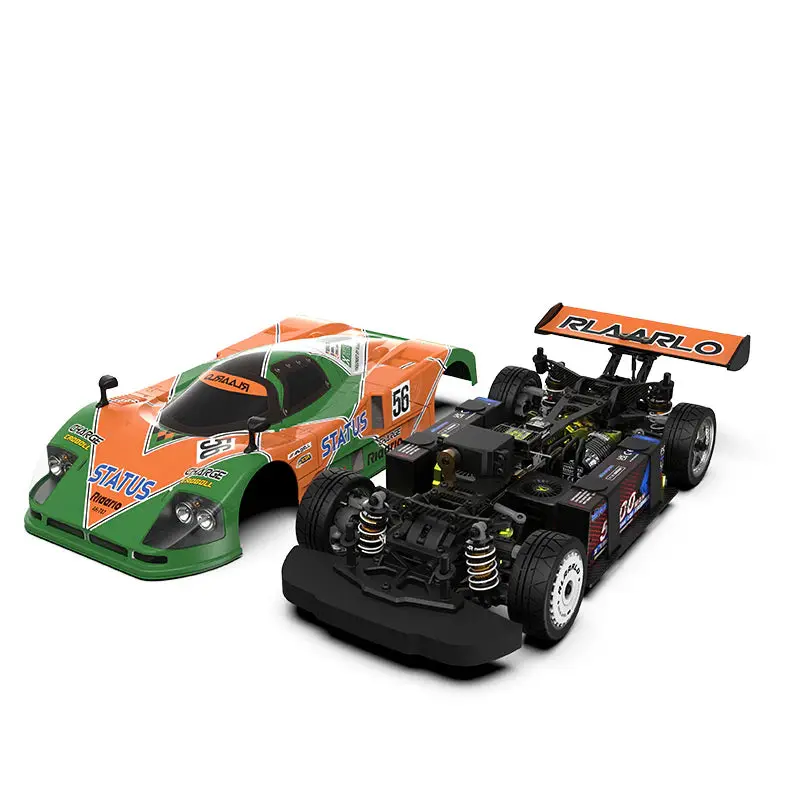
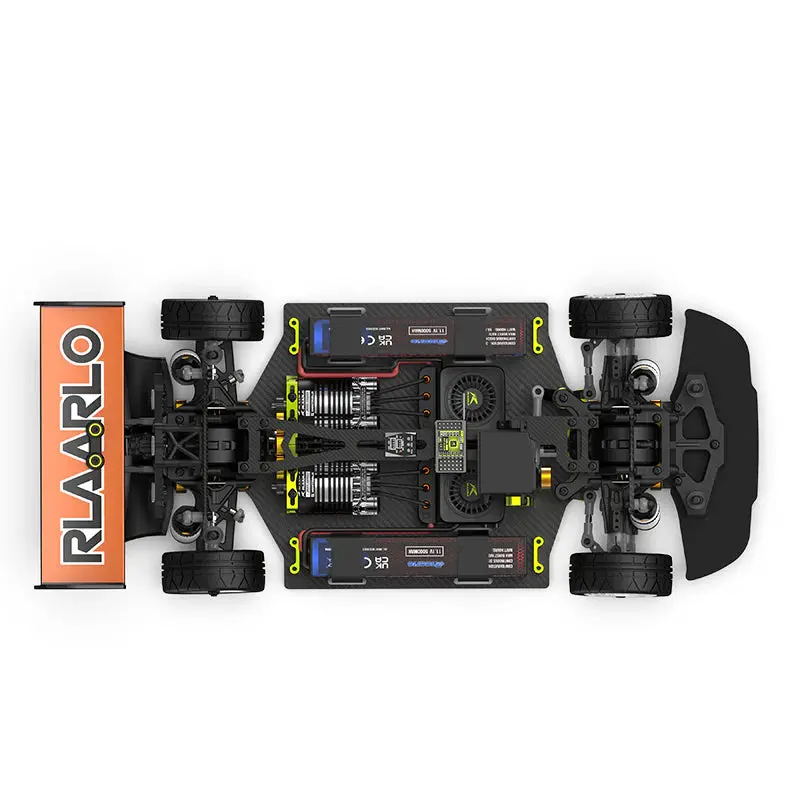
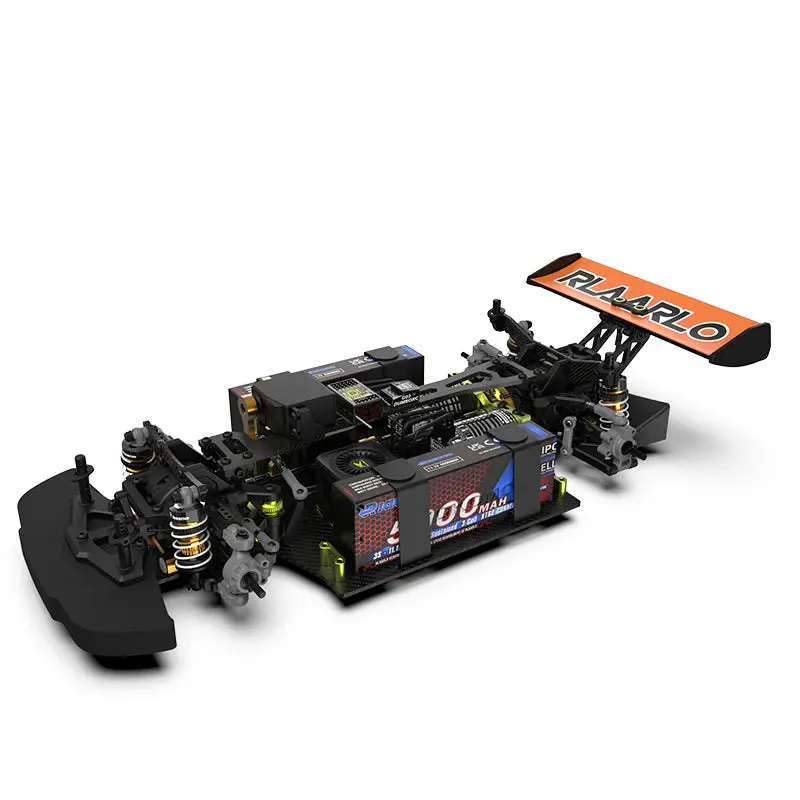
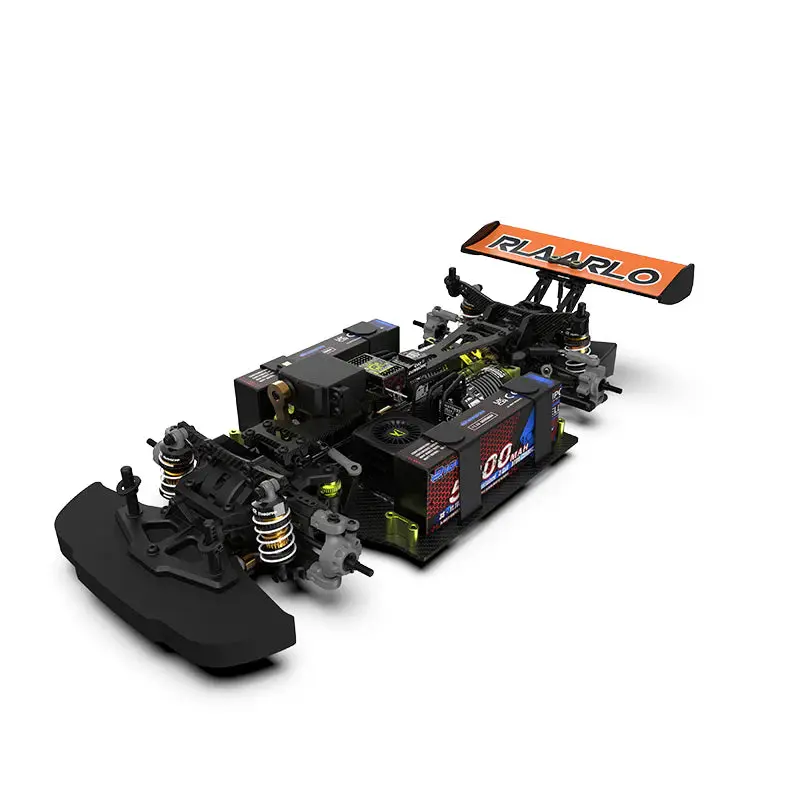
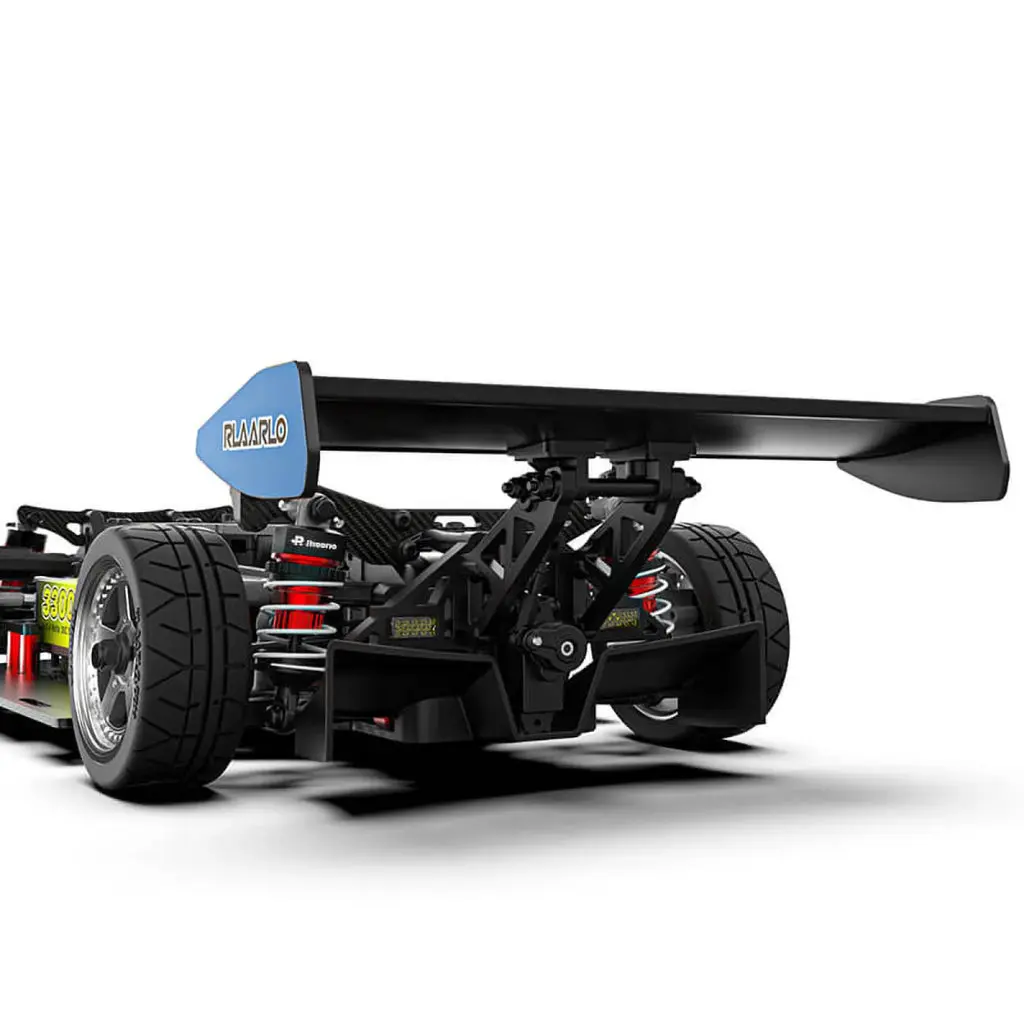
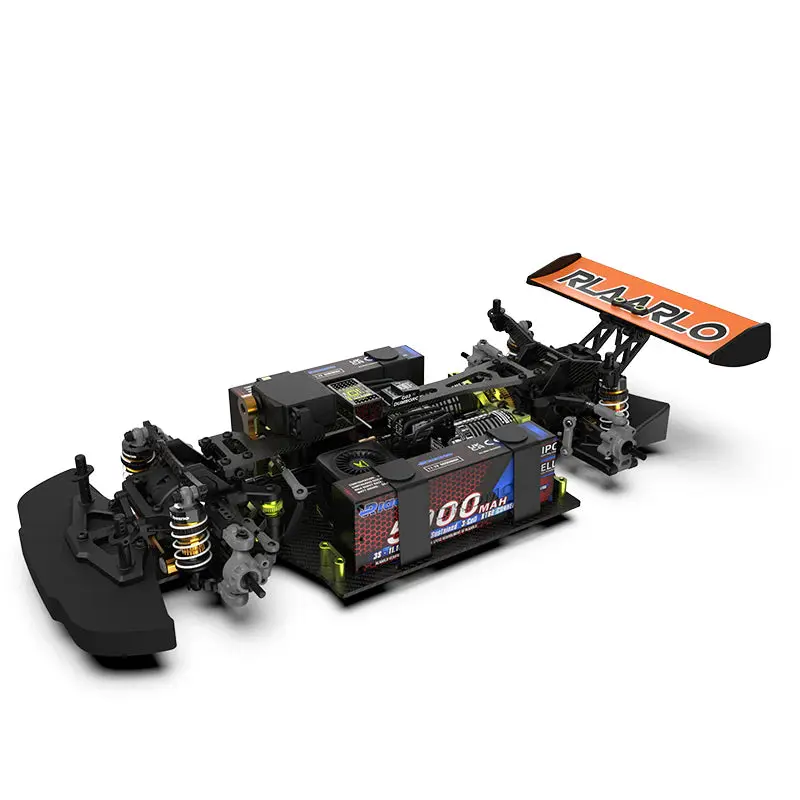
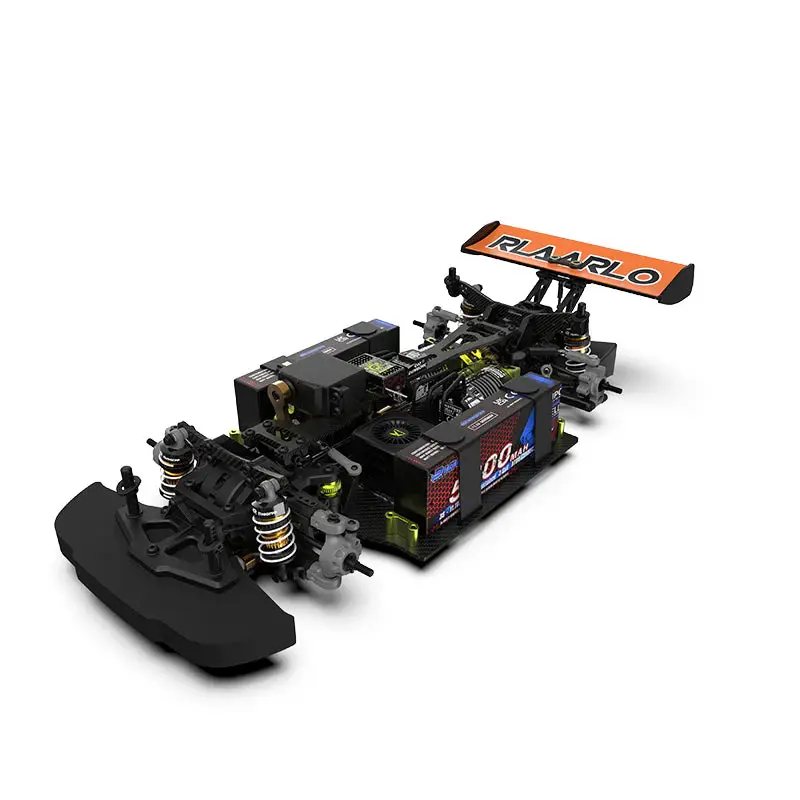
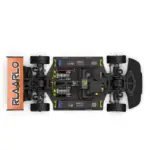
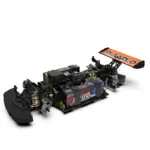
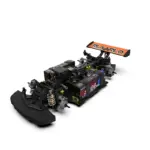
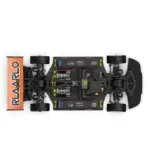
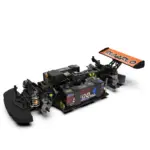
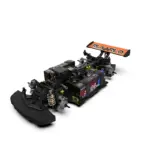
- Lightweight carbon chassis, shock towers, and chassis brace
- Aluminum motor mount, steering, and suspension mounting points
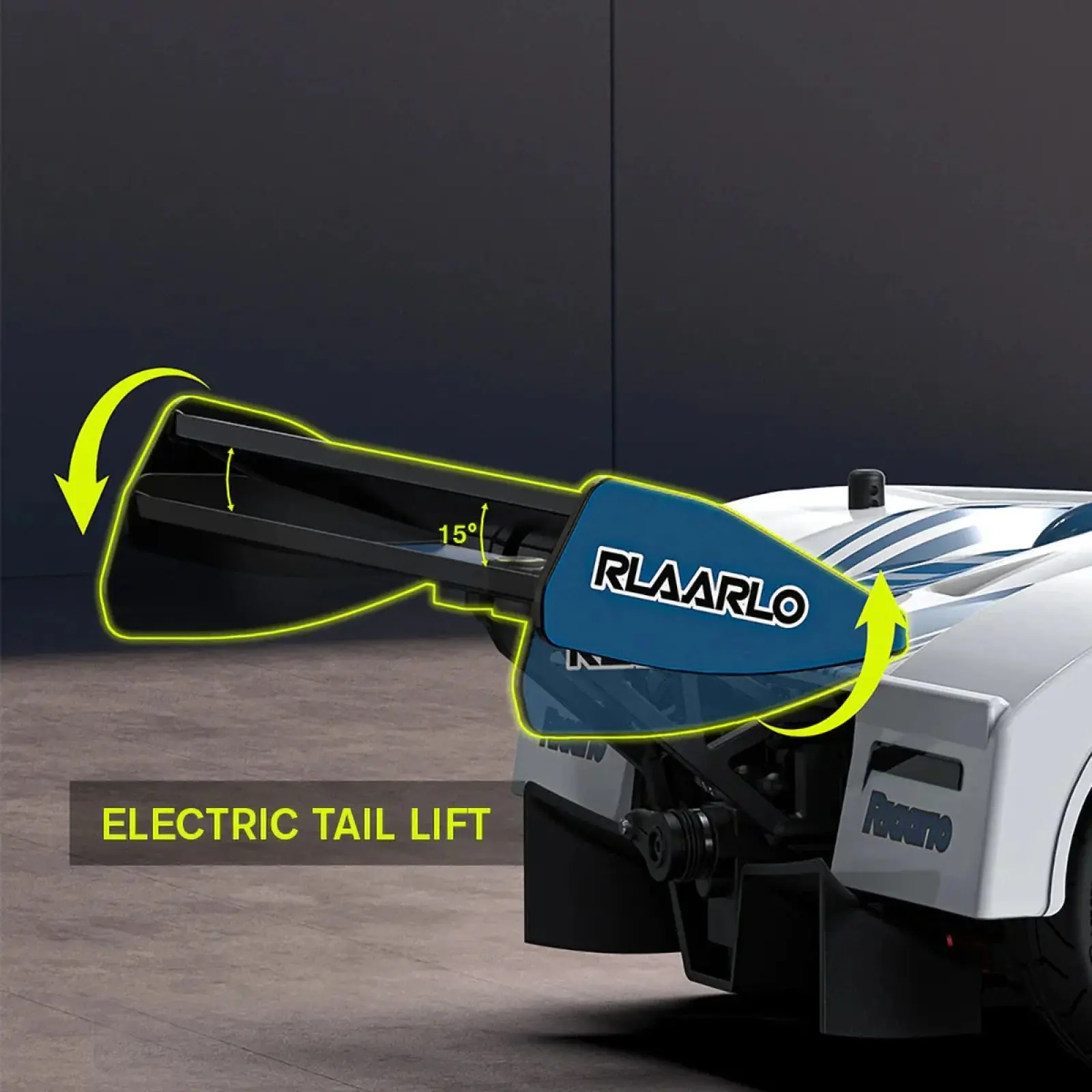
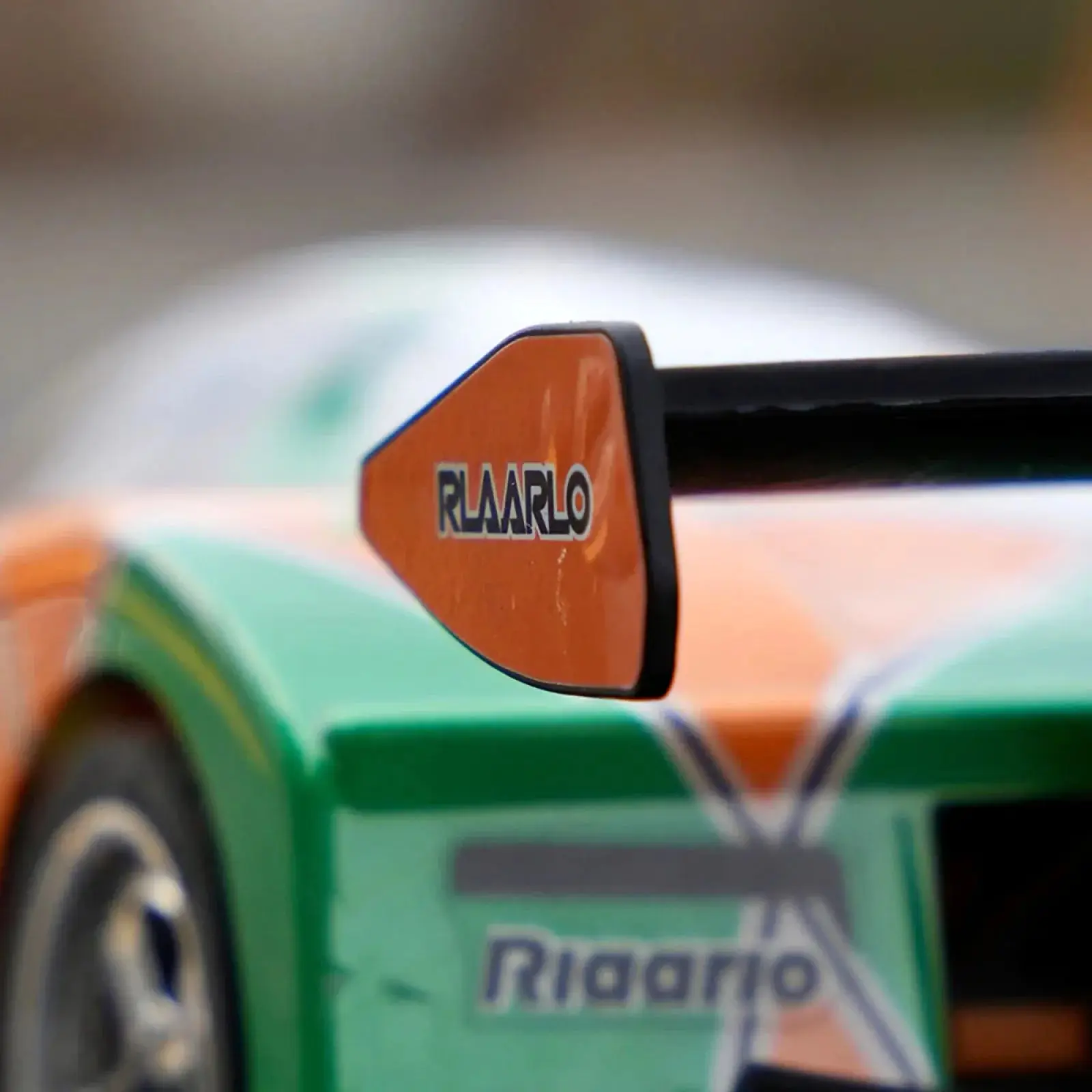
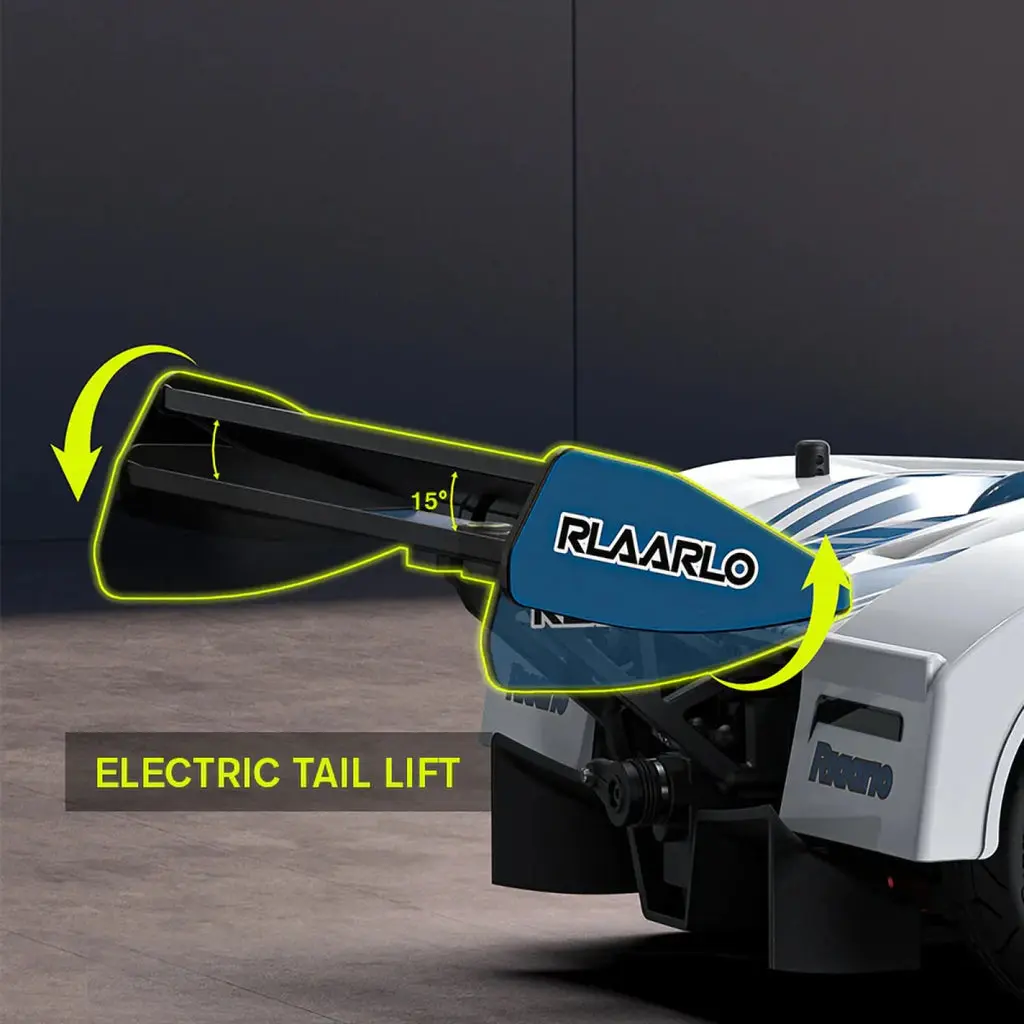
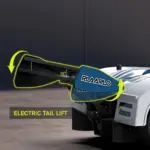
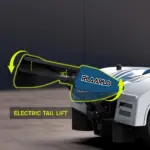
- Active aero via an electrically adjustable spoiler
- Adjustable oil-filled aluminum shock absorbers
- Metal split-structure drive shaft prevents deformation at extreme speeds
- Easy access to crucial parts through modular design
- Professional 4-channel transmitter with a 350m range and 0.1s response time
- Available with or without dual 3S LiPo batteries (max 100C)
- Oversized 1/8 scale differential
- Adjustable battery compartment
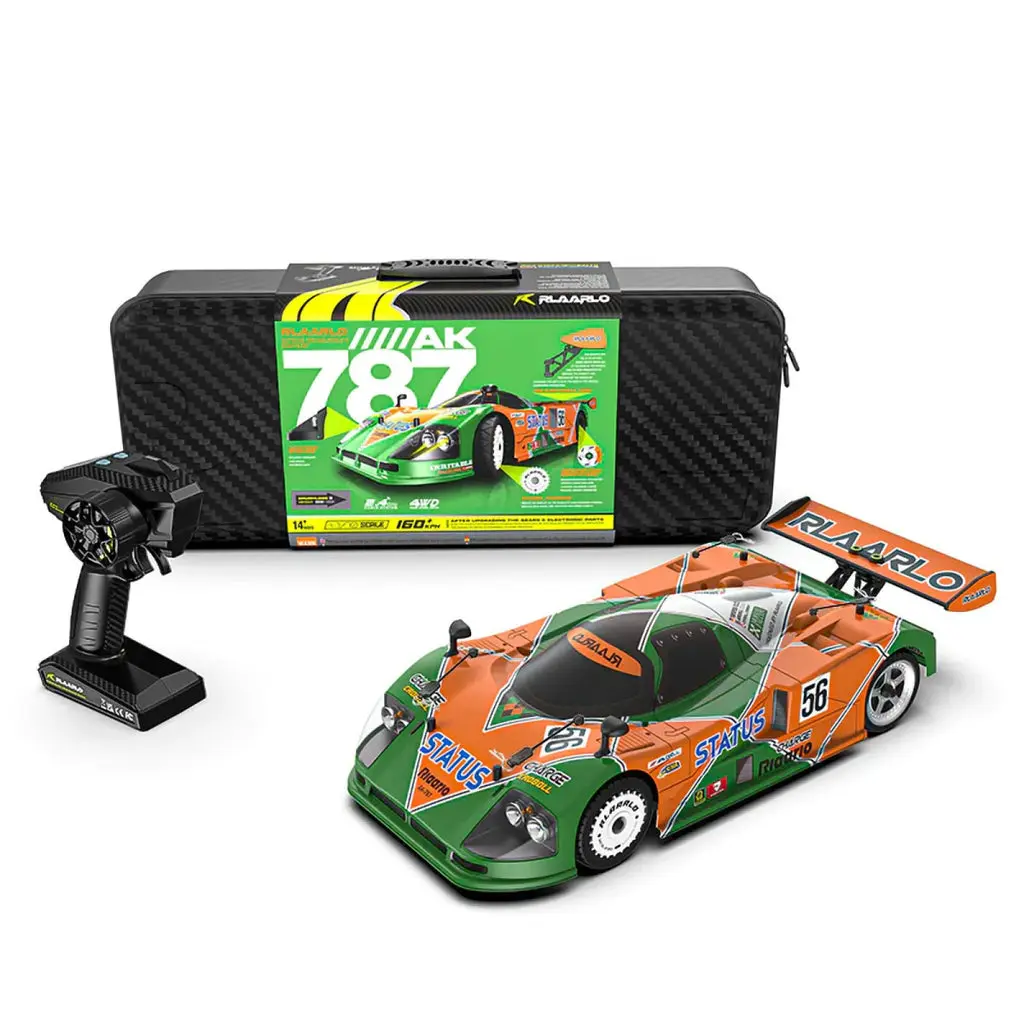
- Comes in a sturdy carrying case
Overview
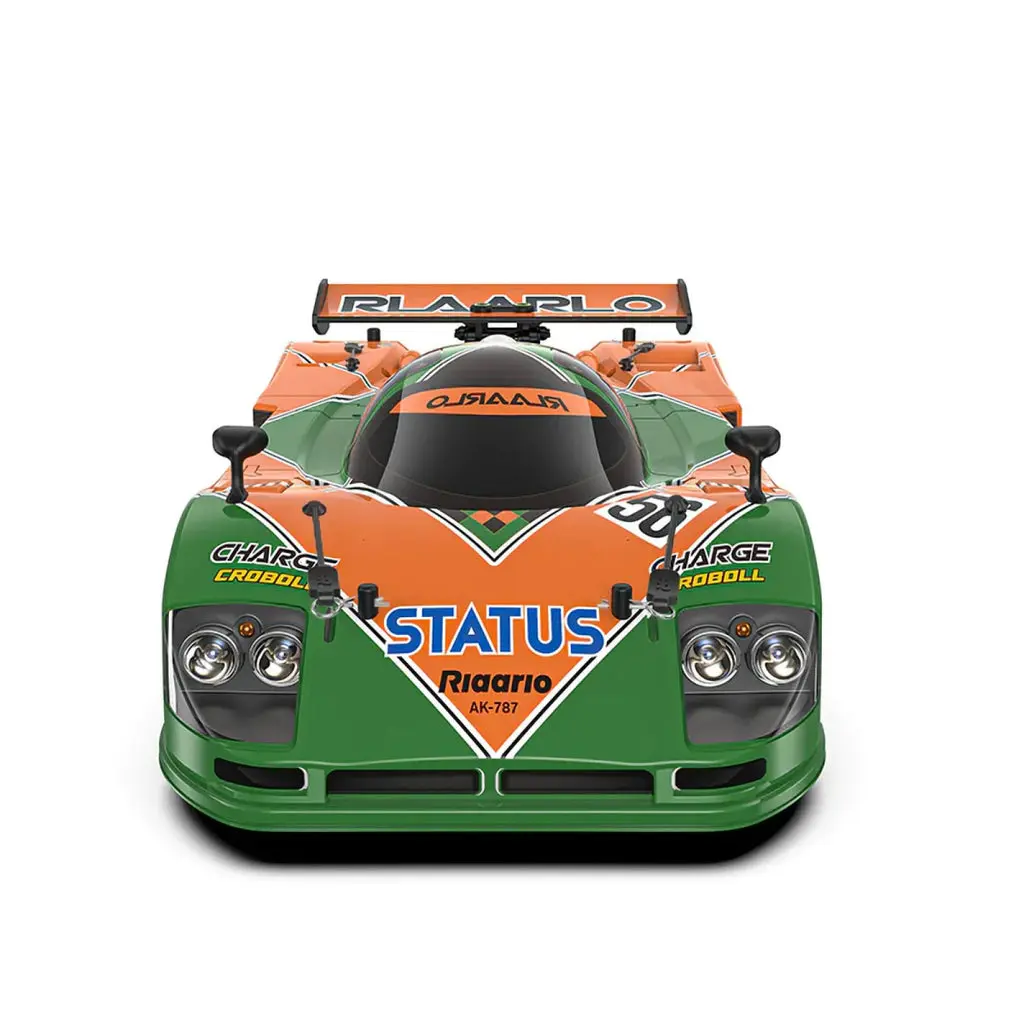
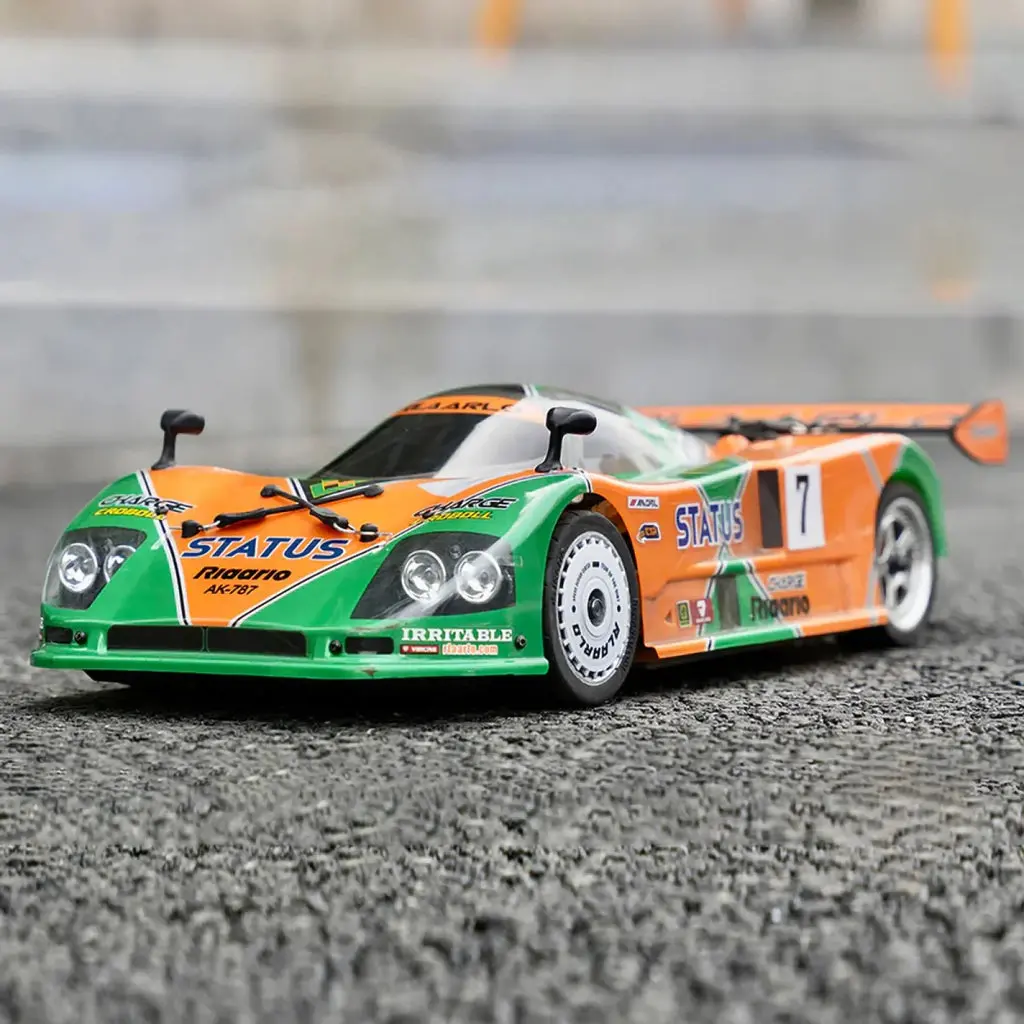
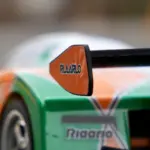
The Rlaarlo AK-787 Carbon Edition is not your average RC car. This high-end supercar stands out not only for its speed but also for its unparalleled design and build quality. With a top speed of 200 km/h on 4S, this car is a beast on the road. The aerodynamic body and color schemes are inspired by the legendary classic Mazda 787b LeMans racer but are combined with the latest RC technologies. The car comes equipped with a 4-channel transmitter capable of reaching up to 350 meters, providing unprecedented control over this speed machine.
The speed is impressive, but so is the attention to detail. The AK-787 features LED lighting and boasts active aero with an electrically operated spoiler, adjustable within a 15-degree range to modify downforce. This enhances performance, whether you’re blasting through straights or navigating sharp turns. To top it all off, the AK-787 comes with a range of accessories such as an instruction manual, brand stickers, hex and cross wrenches, and various gears – everything you need to get started right away.
Specifications
- Scale: 1/10
- Length: 465 mm
- Width: 200 mm
- Height: 100 mm
- Wheelbase: 260 mm
- Ground clearance: 11.5 mm
- Chassis: 2.5 mm T300 carbon
- Speed: Up to 200 km/h
- Motor: Dual 3660-3900Kv (1300W) 50,000 rpm brushless
- Controller: Dual 120A brushless waterproof ESC
- Servo: 9kg steering servo with metal gears
- Battery: SRC 7.4V 4000mAh or 11.1V 5200mAh (50/100C)
- Transmitter: 2.4GHz 4-channel with 350m range
- Battery Tray Size: 142 x 49 x 32mm (adjustable)
Frequently Asked Questions
This is designed for experienced racers. The dual brushless motors, 195+ mph top speed, and advanced features like gyroscope and adjustable aero make it a high-performance machine best suited to those with RC racing knowledge.
The car uses dual 3S LiPo batteries rated up to 100C and can be purchased as an optional add-on. For exact charge times, consult the manual that comes with your batteries, as this depends on your charger and battery capacity.
The AK-787 is fully assembled and ready to race (RTR). It includes the car, dual 3900KV motors with 120A ESCs, a gyroscope, a 4-channel transmitter with 350m range, and a carrying case. Batteries are sold separately unless you opt for the package that includes them.
This is a 1:10 scale touring car based on the Mazda 787b design. For exact dimensions, check the full specifications, but 1:10 scale cars are typically around 40–50 cm long and suitable for most living spaces, though you'll need open ground for testing.
The 4-channel transmitter has a 350-metre range with 0.1-second response time. The dual brushless motor setup delivers 195+ mph top speed with improved efficiency compared to a single motor, and it requires significantly less power draw per ESC.