
RC car scales explained: 1:8, 1:10, 1:12, 1:18, 1:24 compared
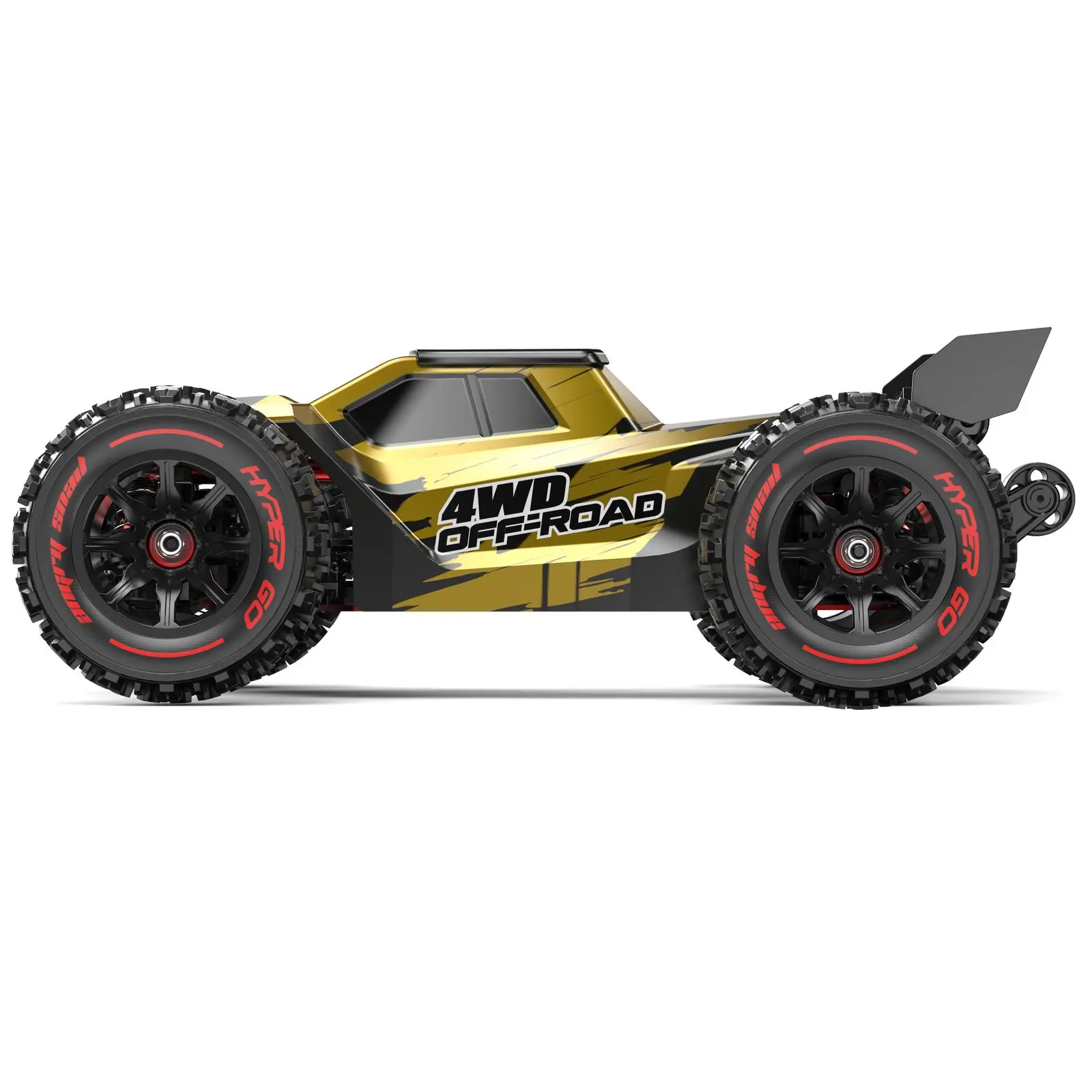
RC cars come in a confusing spread of sizes, labelled with fractions — 1:8, 1:10, 1:12, 1:18, 1:24 and a dozen others. The number is the ratio between the model and the real car it’s based on: a 1:10 scale is one-tenth the size of the full-size vehicle. That’s the easy part. Which scale to actually buy is the question this guide exists to answer.
We sell cars in every scale listed here, so nothing below is marketing — it’s the same conversation we have with customers who walk up to the counter asking “which size should I get?”
The scales at a glance
| Scale | Typical length | Typical speed | Power | Best for | Downsides |
|---|---|---|---|---|---|
| 1:8 | 500-550 mm | 50-100+ mph | Brushless / nitro | Serious racers, big open spaces | Expensive, needs a track |
| 1:10 | 380-450 mm | 25-60 mph | Brushed / brushless / nitro | All-round, the default | Needs outdoor space |
| 1:12 | ~330 mm | 25-40 mph | Brushed / brushless | Budget-friendly starter | Fewer parts than 1:10 |
| 1:14 | ~290 mm | 35-50 mph | Brushless | Value brushless, tighter spaces | Aftermarket is smaller |
| 1:16 | ~270 mm | 25-40 mph | Brushed / brushless | Small garden or second car | Fast ones still need space |
| 1:18 | ~220 mm | 15-30 mph | Brushed | Children, indoor-friendly | Less robust in crashes |
| 1:24 | ~170 mm | 15-25 mph | Brushed | Indoor, tabletop, young children | Small tyres, short runtime |
| 1:28 (Mini-Z) | ~150 mm | 15-30 mph | Brushed / brushless | Carpet racing, indoor clubs | Own parts ecosystem |
1:8 scale — for committed racers and bashers
1:8 is the big league — the scale you see on international RC racing circuits, the one most nitro buggies are built to. A 1:8 car is typically 500-550 mm long, weighs 3-4 kg, and will comfortably exceed 50 mph in brushless form. In nitro trim, the top speed bracket runs higher.
Why buy 1:8? Because if you’re serious about racing, it’s what the competition runs, and because the physics favour larger cars — they ride bumps better, suspension has more travel, and the car behaves more like a real vehicle. Why not buy 1:8? Because the entry cost is £400+, you need a proper open space (our local car park won’t do), and a crash at 50 mph is not a minor event.
Our 1:8 buggies and trucks start around £350 and climb quickly from there.
1:10 scale — the default
If you ask an experienced RC driver which scale is the “right” one, they’ll say 1:10. It’s the most common scale on the market, the one with the biggest parts catalogue, the widest range of prices, and the broadest range of disciplines: touring cars, buggies, truggies, trucks, crawlers, drift cars, rally cars — all 1:10.
A 1:10 car is 380-450 mm long, typically weighs 1.5-2.5 kg, and sits in the Goldilocks zone for most UK drivers: big enough to be interesting outdoors, small enough to store in the house, affordable enough to live with. The MJX Hyper Go 10208 V2 is a good example of modern 1:10 value. At the premium end, Kyosho and Team Associated dominate.
If you don’t know which scale to pick, 1:10 is the one to default to.
1:12 and 1:14 — the value brackets
1:12 is the traditional budget alternative to 1:10. You get a car that looks and feels similar, a shared parts philosophy, and a price tag that’s often 30-40% lower. The WL Toys 12428 at 1:12 has been a standout at £89 for several years.
1:14 is where MJX changed the market. MJX’s Hyper Go 14210 and 16210 scale variants put brushless motors, oil-filled shocks, and gyro-assisted steering at the £130 price point — performance you’d have paid £250 for in a 1:10 pack two years ago. The scale is a little smaller than 1:12 but the build quality is a step above. If you want “most performance per pound”, look here first.
1:16 — compact but still serious
1:16 is a favourite in homes where storage is tight, and it’s a good pick for an older child who has outgrown a 1:24 car. The HBX 16889A Pro and MJX Hyper Go 16208 are the standouts — both brushless 4WD, both under £150, both small enough to run in a reasonable garden without the car disappearing over a fence.
The trade-off is less robust impact performance at real speed: a 1:16 hitting a tree at 40 mph has less mass absorbing the hit than a 1:10 doing the same thing. They’re tougher than they look, but expect to replace a suspension arm or two in a heavy first month.
1:18 and 1:24 — children and indoor use
These are the scales you should be looking at for children under 10, or for anyone who wants to drive in the kitchen or the office. They’re slow enough to chase on foot, small enough not to damage skirting boards on impact, and priced to be affordable as stocking-fillers or birthday gifts.
A good 1:18 is often no slower in practice than a mid-range 1:12 — the scale imposes lower top speeds, but the car is more manageable, and for a 9-year-old driver “30 mph on the patio” is more fun than “45 mph over the fence”.
1:24 overlaps heavily with budget toy-grade cars. The dividing line is whether the steering is proportional (hobby-grade) or only full-lock/centre (toy-grade). Toy-grade is fine for very young children; hobby-grade 1:24 gets you features like shocks, a selectable drive mode and spare parts availability.
1:28 — the Mini-Z world
Kyosho’s Mini-Z platform is its own ecosystem: 1:28 scale (sometimes listed as 1:27), with a 30-year parts supply, international racing class, and bodies for nearly every real-world sports car ever made. Mini-Z isn’t a hobby you dabble in — it’s a hobby you fall into and then spend a decade upgrading.
The attraction is the detail. Mini-Z shells are miniature scale models with functional suspension, working steering and accurate livery. On an indoor track with smooth surfaces, they race at surprising speeds. At home on carpet, they’re the only RC you can realistically run in the living room without annoying the neighbours.
Other scales you’ll see
- 1:5 — giant-scale petrol cars, typically 800-900 mm long. A specialist niche, very expensive, requires a huge open space.
- 1:7 — Traxxas’s “monster” category, faster-than-sensible bashers with brushless power. Great for people who love open fields.
- 1:20 and 1:32 — infrequent enthusiast scales, mostly carpet racing.
- 1:64 — Matchbox-sized micro RCs, mostly toy-grade but a few hobby-grade platforms exist.
How to pick the right scale for you
For a first-time adult driver with a garden or access to open space
1:10 in 4WD brushless form. Default to a monster truck or buggy body — they cope with uneven ground better than on-road cars. Budget £150-£230.
For a child aged 8-12
1:14 or 1:16 brushless if you can stretch to £120, otherwise 1:12 brushed around £80-£100. Slower top speeds make learning less frustrating and less destructive.
For an indoor-only driver
1:24 hobby-grade or Kyosho Mini-Z. The latter is a serious hobby investment; the former is a no-stress indoor toy.
For a competitive racer
Start at 1:10 touring, buggy or crawler depending on the discipline. Move to 1:8 if you progress to national-level competition.
For a scale detail enthusiast
Kyosho Mini-Z for on-road, or 1:10 scale crawlers and rally cars with detailed bodyshells. 1:24 micro crawlers also deliver impressive detail at low cost.
Frequently asked questions
What does the scale actually mean?
The number is the ratio between the model and the real-world vehicle it represents. A 1:10 scale RC car is one-tenth the length of a full-size car. So a 4-metre hatchback becomes a 400 mm model, give or take. Bodies vary slightly depending on which full-size vehicle they’re modelled on.
Are bigger scales faster?
Generally yes — larger scales carry larger batteries and motors and therefore more power. But within a scale, the motor and battery choice matters more than the scale itself. A 1:10 brushless can be twice as fast as a 1:10 brushed.
Do bigger scales cost more to run?
Yes. Bigger batteries cost more, spare tyres cost more, spare bodyshells cost more. A 1:10 running cost is typically 2-3x a 1:16 over a year of regular use.
Which scale has the best parts availability in the UK?
1:10, by a long way. Almost every manufacturer makes 1:10 cars and aftermarket support is vast. 1:8 is second. 1:16 and 1:24 parts are typically tied to specific platforms — replace “like-for-like” and you’ll be fine.
Can I race my scale at a UK RC club?
Most UK clubs have 1:10 touring, 1:10 buggy, 1:8 buggy, 1:10 truck and 1:12 circuit classes. Crawler clubs run 1:10 and 1:24 comp-crawler classes. Mini-Z has its own club network. Check our UK RC club and track finder for what’s local to you.
What’s the smallest scale that’s worth taking seriously as a hobby?
1:24 for crawling (it’s a legitimate indoor discipline), and 1:28 Mini-Z for on-road. Anything smaller is typically toy-grade.
Can I mix scales in a collection?
Absolutely. Most RC hobbyists end up with a daily driver (1:10 or 1:14), an indoor runabout (1:24 or Mini-Z), and often a specialist second car (a 1:10 crawler or a 1:8 buggy). Batteries are typically cross-compatible within a manufacturer, and transmitters can be bound to multiple receivers.
Representative cars at each scale
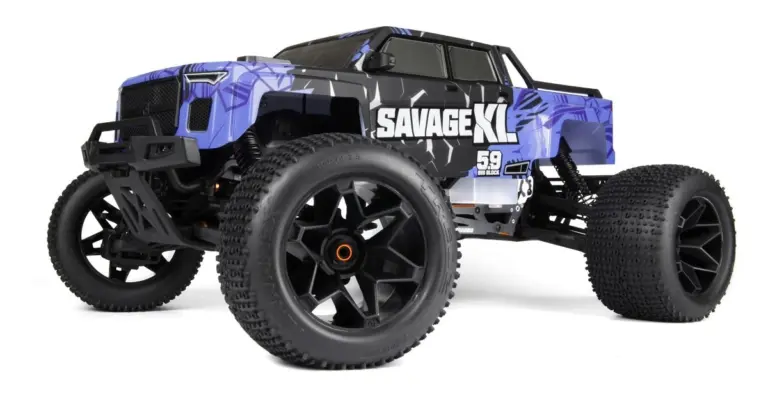
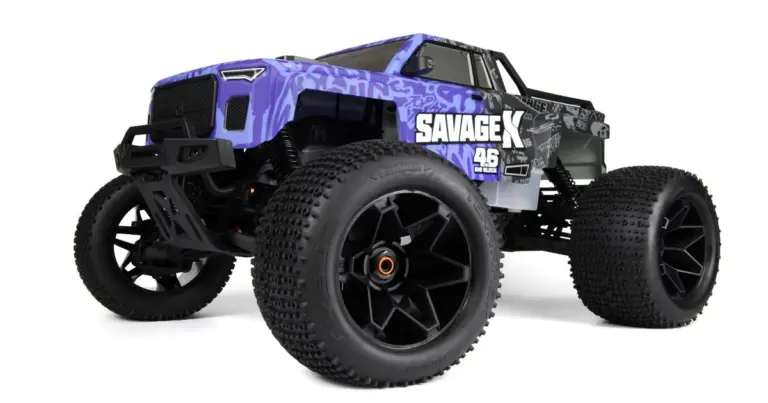
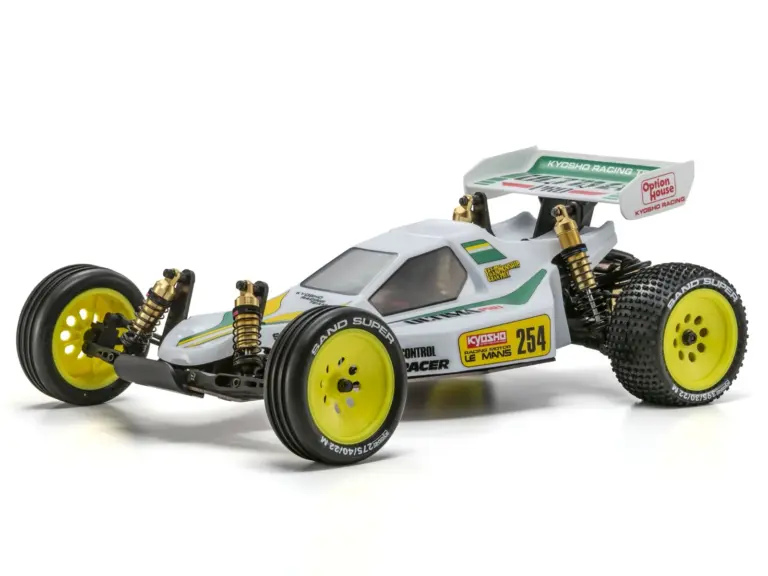
A few in-stock examples at every scale, from our Shop by Scale range. Use the buttons to browse the full, always-current selection at each size.
1:8 scale
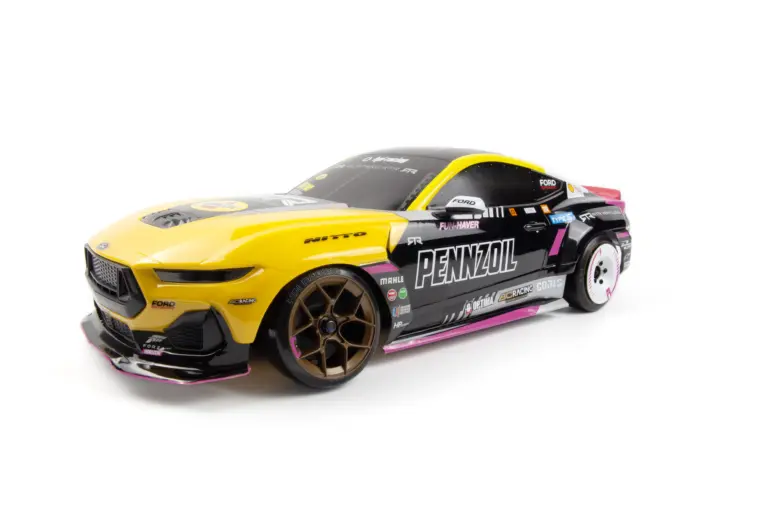
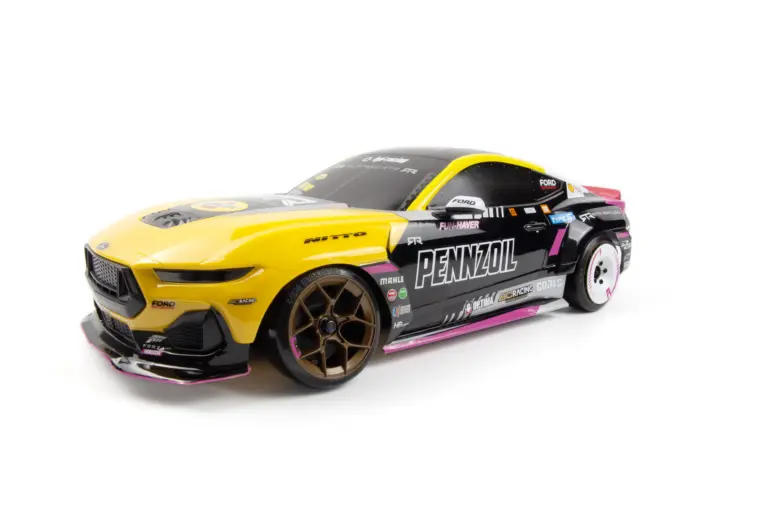
1:10 scale
1:12 scale
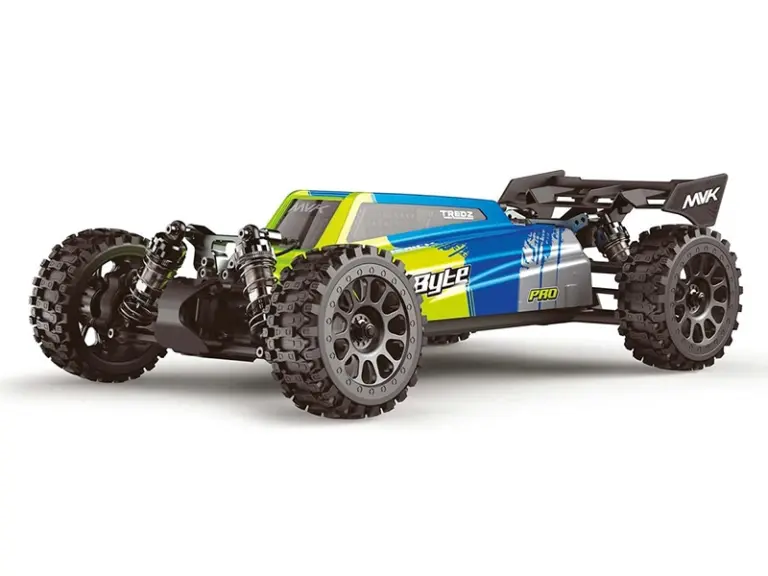
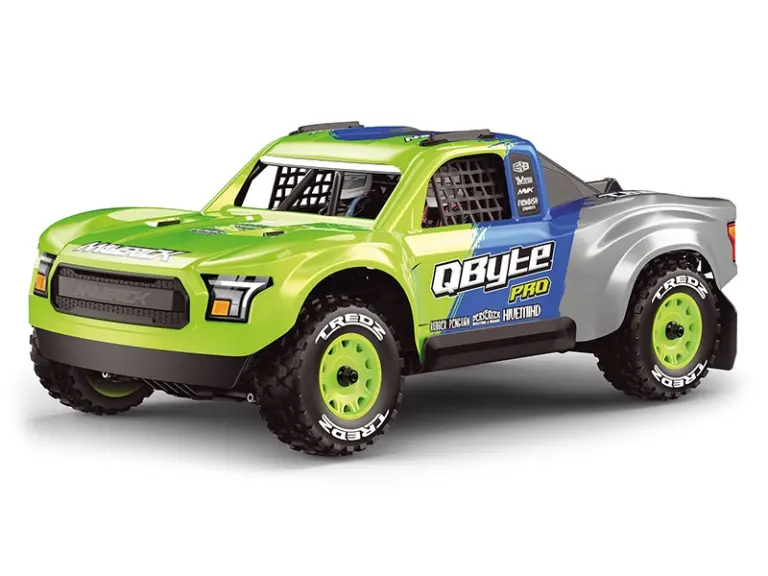
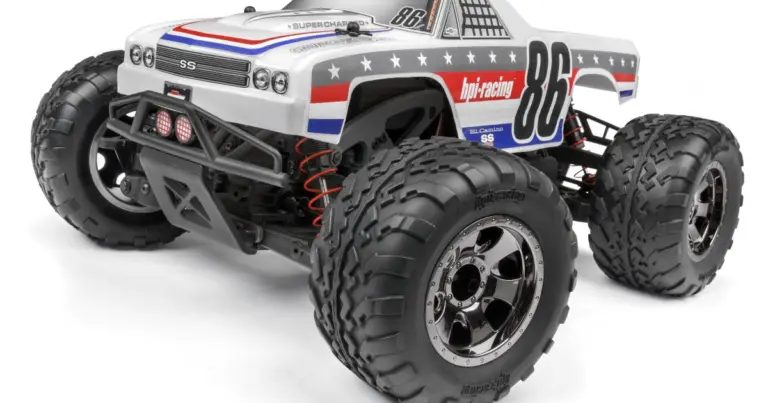
1:16 scale
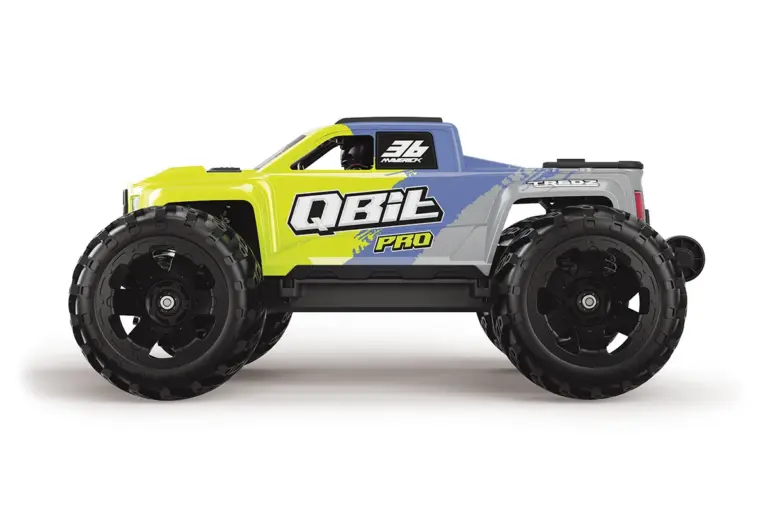
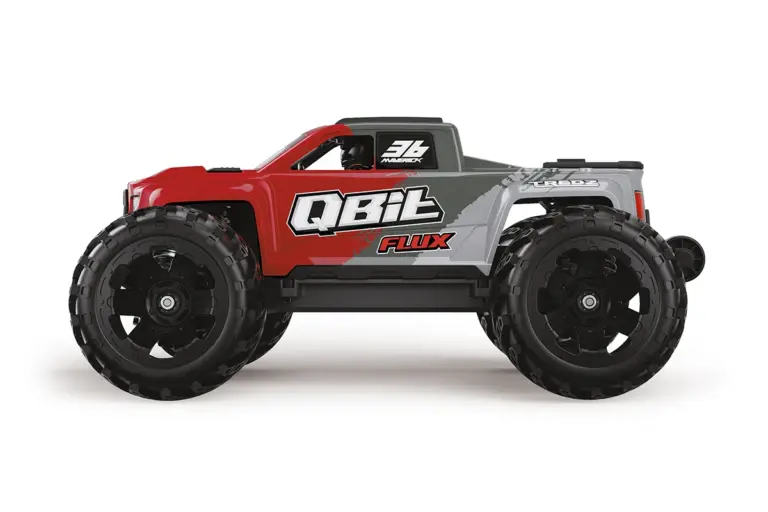
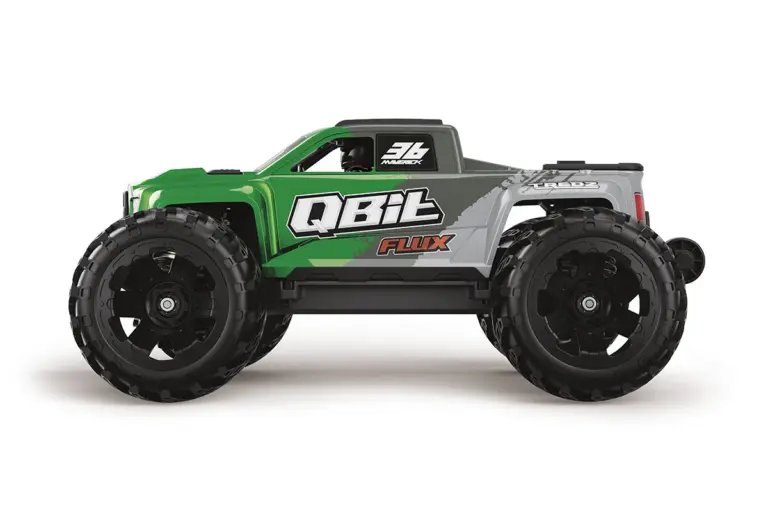
1:18 scale
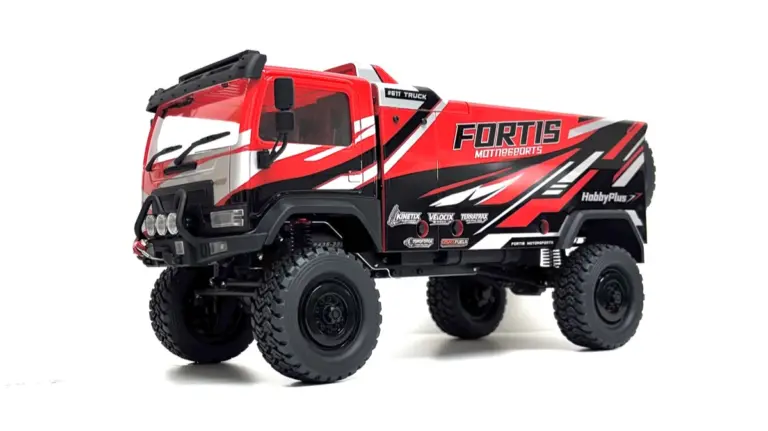
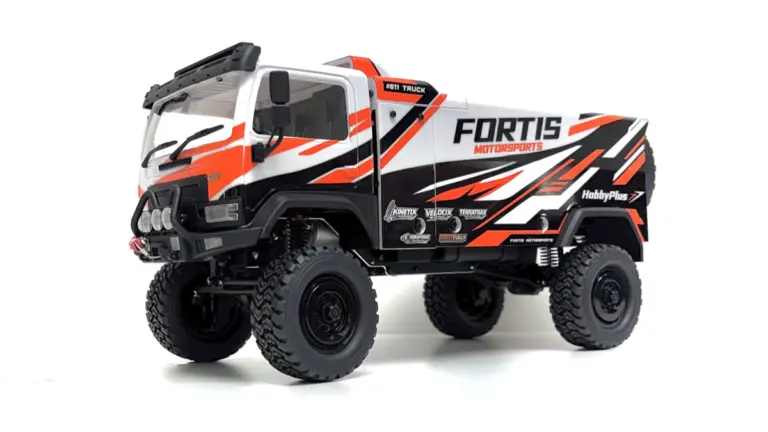
1:24 scale
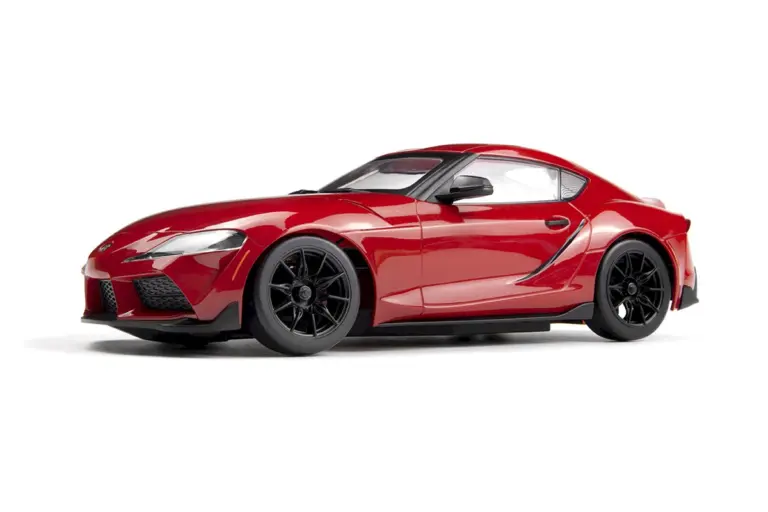
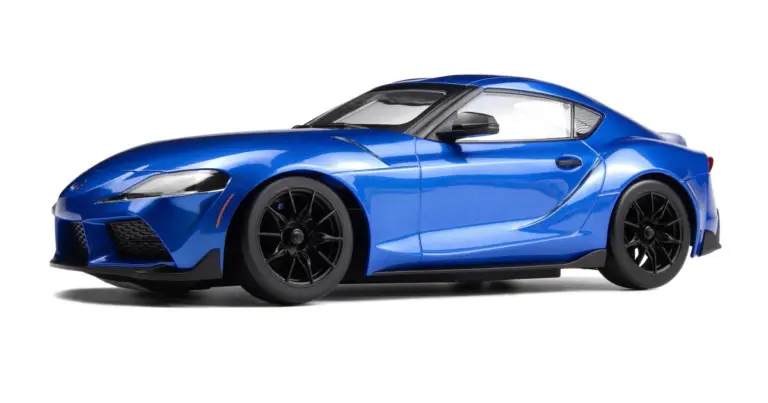
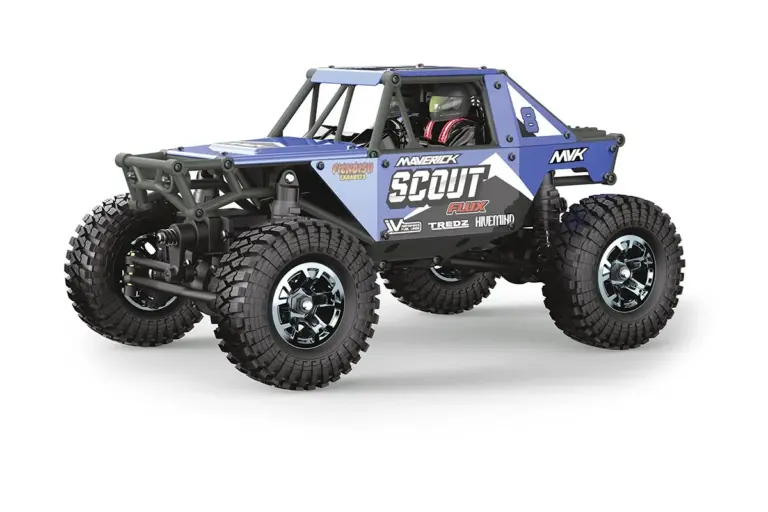
1:28 scale
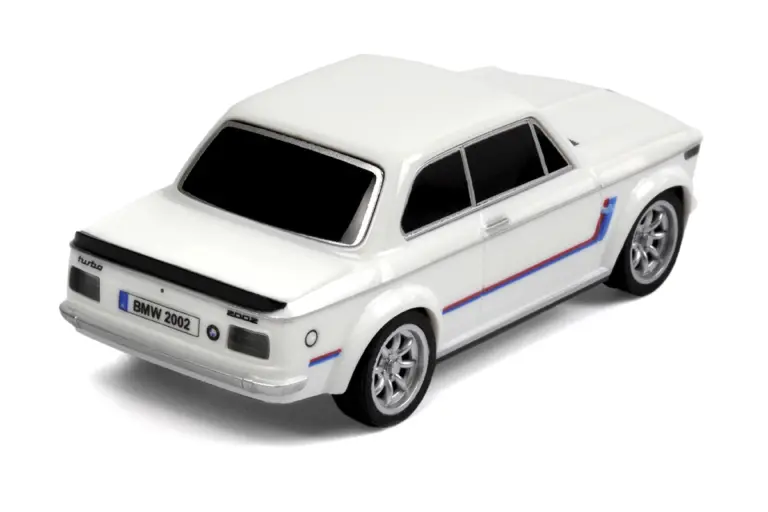
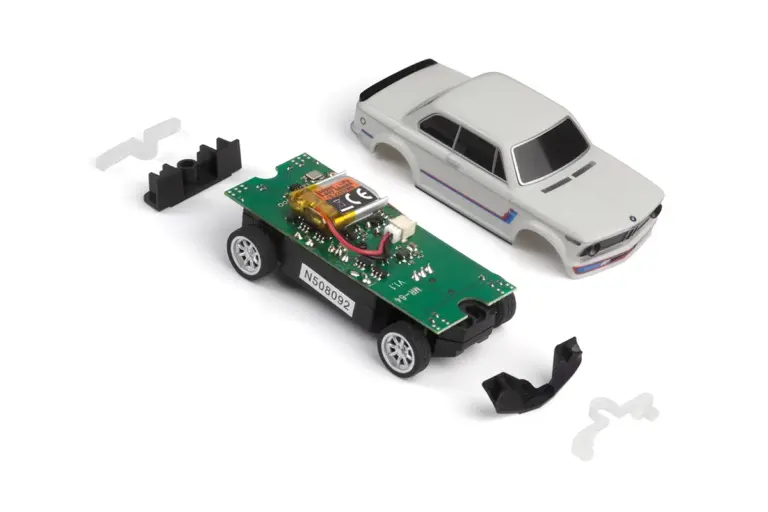
Summary
If you take one thing from this guide: 1:10 is the default for adults, 1:14 or 1:16 is the value-brushless sweet spot, and 1:18 or 1:24 is for children and indoors. Everything else is a specialism — worth learning about, but not necessary for your first car.
Browse our full RC cars catalogue or find your nearest UK RC club to see scales being raced in person.
Independent, UK-focused guides to every kind of RC car, plane and helicopter — browse all RC buying guides →