
What Are LiPo Batteries?
Lithium Polymer (LiPo) batteries are the most popular power source for RC cars, RC boats, RC aeroplanes, and drones. They deliver a high energy density and discharge rate that makes them ideal for high-performance radio-controlled vehicles. However, unlike standard alkaline or NiMH batteries, LiPo cells contain a flammable lithium-salt electrolyte in a flexible polymer pouch — which makes correct handling, charging, and storage absolutely critical to your safety.
Why Are LiPo Batteries Dangerous?
LiPo batteries are safe when used correctly. They become dangerous when misused. The primary risk is thermal runaway — a self-sustaining chemical reaction triggered by overcharging, physical damage, or overheating. Thermal runaway causes cells to swell, vent toxic gases, catch fire, and in some cases explode. A LiPo fire burns at extremely high temperatures and cannot be extinguished with water.
Common Causes of LiPo Battery Fires
- Overcharging: Charging above 4.20V per cell causes lithium plating and gas build-up.
- Over-discharging: Draining cells below 3.0V per cell causes irreversible copper plating and internal damage.
- Physical damage: Punctures, crushing, or swelling damage the separator layer between cells, causing internal short circuits.
- Incorrect charge rate: Charging at a current higher than the battery’s C-rating generates excess heat.
- Charging in an unsafe environment: Leaving a charging battery unattended or charging on a flammable surface dramatically increases fire risk.
- Using a damaged or swollen battery: Continued use of a puffed battery applies mechanical stress that can rupture cells.
- Incorrect charger settings: Setting the wrong cell count or chemistry on the charger.
Common LiPo Battery Mistakes to Avoid
- Leaving a LiPo on charge overnight or unattended.
- Charging immediately after use while the battery is still warm.
- Storing a fully charged LiPo for extended periods — always store at storage voltage (3.80–3.85V per cell).
- Using a battery that is visibly swollen, punctured, or has a damaged connector.
- Charging inside your house on a carpet or wooden surface without a LiPo safety bag.
- Using the wrong charger or a charger not rated for LiPo chemistry.
- Ignoring cell balance — always balance-charge your packs.
- Running a battery completely flat in your RC model.
Correct LiPo Battery Charging Procedure (Step by Step)
Following a consistent charging procedure every time is the single most effective way to prevent LiPo battery incidents. Use the steps below each time you charge.
Step 1 — Inspect the Battery Before Charging
Visually inspect the battery before connecting it to any charger. Check for swelling (puffing), cracks, damaged wrapping, bent or corroded connectors, or any signs of previous heat damage. If the battery is swollen or damaged, do not charge it. Dispose of it safely — see the disposal section below.
Step 2 — Allow the Battery to Cool
If you have just used the battery in your RC model, let it cool to room temperature before charging. Charging a warm battery accelerates chemical degradation and increases thermal risk. A good rule of thumb is to wait at least 20–30 minutes after use before charging.
Step 3 — Set Up in a Safe Location
Always charge in a cool, well-ventilated area, away from flammable materials. Always remove the battery from your RC model before charging. If a battery were to fail while still inside the car, boat, or plane, the resulting fire would almost certainly destroy the model as well as surrounding items — removing the battery eliminates this risk entirely.
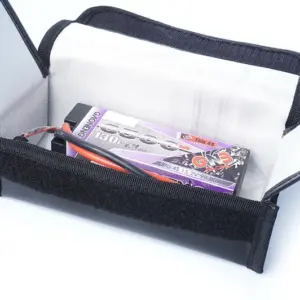
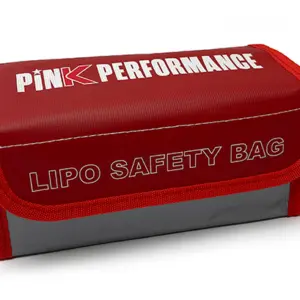
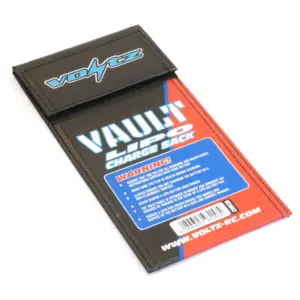
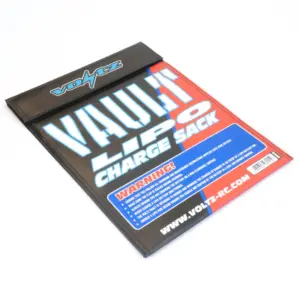
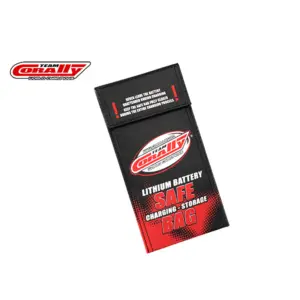
Place the battery inside a LiPo safety charging bag before connecting it to the charger. LiPo bags are strongly recommended as a first line of defence — they are designed to slow the spread of flames and contain toxic gases if a battery fails. However, LiPo bags are not guaranteed to be completely fireproof and should not be treated as a reason to be complacent. Always charge in a location away from people, pets, and sleeping areas. Never set a charging battery up and then go to bed — if something goes wrong while you are asleep, a LiPo bag alone may not be sufficient to prevent damage or injury.
Never charge on carpet, wood, or near curtains or clothing. A hard, non-flammable surface such as a concrete floor, tile, or metal shelf is ideal.
Step 4 — Configure the Charger Correctly
Set your charger to LiPo Balance Charge mode. Confirm the following settings before starting:
- Chemistry: LiPo (not LiIon, LiFe, NiMH, or NiCd)
- Cell count (S rating): Must match your battery exactly — e.g. 2S, 3S, 4S
- Charge rate (amps): Use 1C as the standard safe rate. 1C means a charge current equal to the battery capacity in amps — for example, a 5000mAh pack should be charged at 5A maximum. Never exceed the maximum charge rate stated on your battery.
- Charge voltage: 4.20V per cell (standard LiPo). Do not use 4.35V HV settings on standard packs.
Step 5 — Connect and Monitor
Connect the main discharge lead and the balance lead to the appropriate ports on your charger. Start the charge and stay within earshot throughout the entire charge cycle. You do not need to sit and watch every second, but do not leave the building or fall asleep. Periodically check that the battery is not becoming hot to the touch — a warm battery during charge is normal; a hot battery is not.
Step 6 — Remove and Store Safely When Complete
Once charging is complete, disconnect the battery from the charger promptly. Do not leave batteries sitting on a completed-charge state on the charger for extended periods. Allow the battery to cool for 10 minutes, then store it in a cool, dry location, ideally in a LiPo safety bag or fireproof container.
LiPo Battery Storage Guidelines
How you store your LiPo batteries is just as important as how you charge them.
- Storage voltage: Store cells at 3.80–3.85V per cell (not fully charged, not discharged). Most quality chargers have a dedicated Storage Charge mode that sets this automatically.
- Temperature: Store at room temperature (15–25°C). Never store in a hot car, in direct sunlight, or in a freezer.
- Long-term storage: If you will not be using a battery for more than two weeks, bring it to storage voltage first.
- Container: Store in a LiPo safety bag, fireproof box, or metal ammunition tin. Never stack heavy items on top of batteries.
- Location: Store batteries outside main living areas where possible — a garage, shed, or utility area is preferable to a bedroom or living room. Keep them away from flammable items such as cardboard, paper, fabric, and fuel.
- Regular inspection: Check stored batteries monthly for any signs of swelling.
How to Dispose of LiPo Batteries Safely
Never put a LiPo battery in household rubbish or recycling. LiPo batteries must be fully discharged before disposal and taken to a designated battery recycling point. To safely discharge a damaged or end-of-life battery, submerge it in a salt water solution (1 tablespoon of salt per litre of water) for 24–48 hours to slowly discharge the cells safely. Confirm the cell voltage has reached 0V before disposal. Many local councils and electronics retailers operate battery recycling collections.
Essential Safety Equipment: LiPo Safety Bags
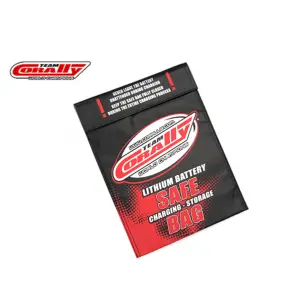
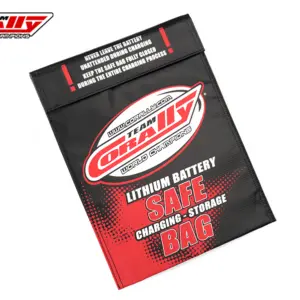
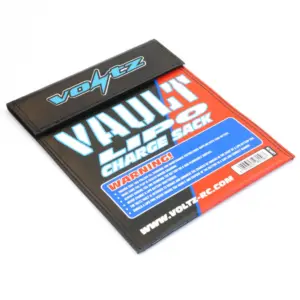
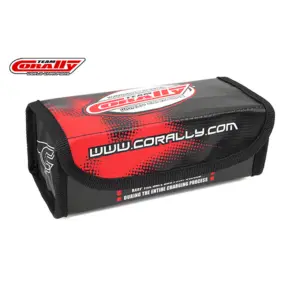
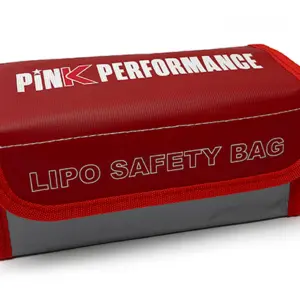
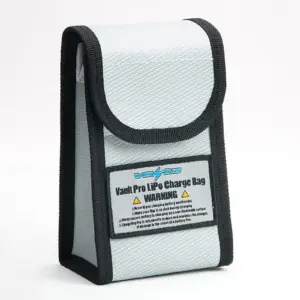
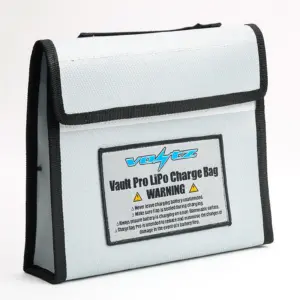
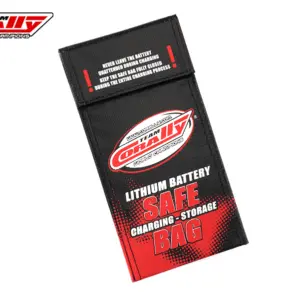
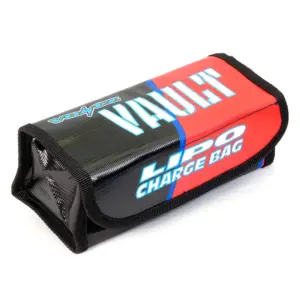
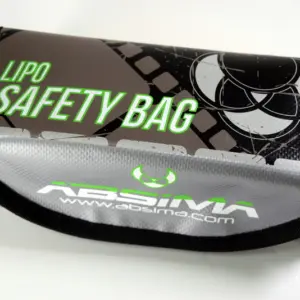
A LiPo safety bag is a fire-resistant bag designed specifically to slow and contain a LiPo battery fire during charging or storage. We recommend using one every single time you charge — it is the single cheapest and most effective safety measure available to RC hobbyists.
Important: LiPo safety bags significantly reduce risk but are not certified to be completely fireproof. A bag that contains a runaway battery may still become very hot and could fail under extreme thermal conditions. Always charge in a sensible location even when using a bag — away from people, pets, and flammable materials, and never in a room where people are sleeping. Think of the bag as a safety net, not a substitute for good charging habits.
We stock a range of sizes suitable for packs from small 2S 1S shorty cells up to large 6S touring packs:






Shop Our Range of LiPo Battery Chargers
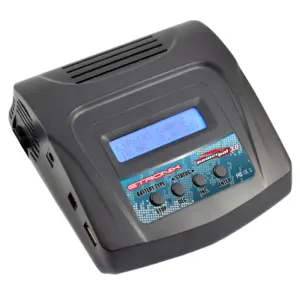
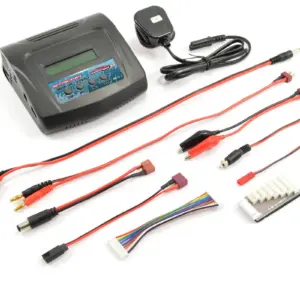
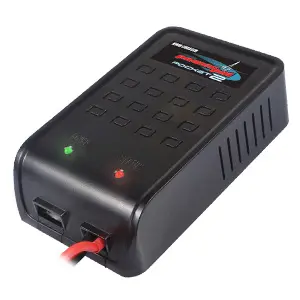
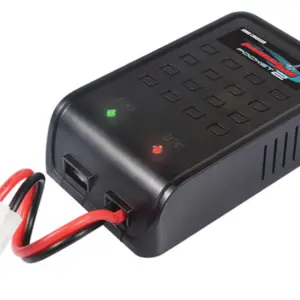
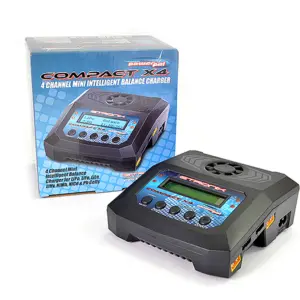
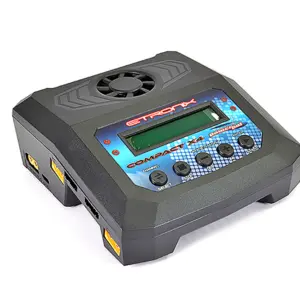
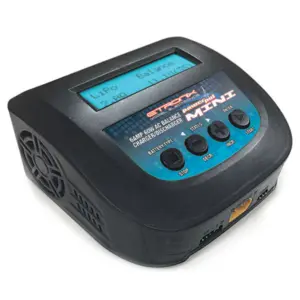
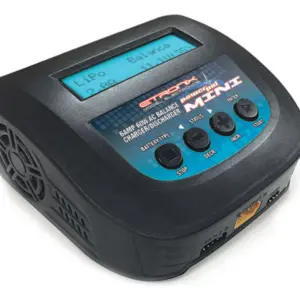
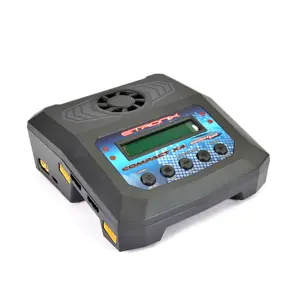
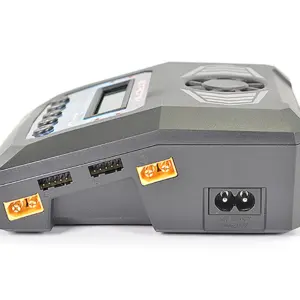
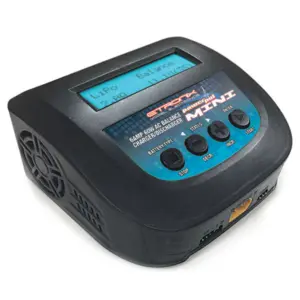
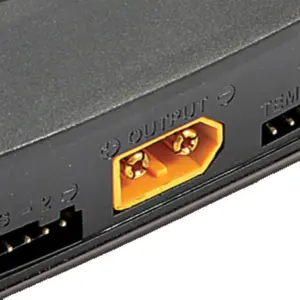
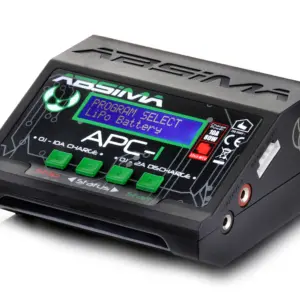
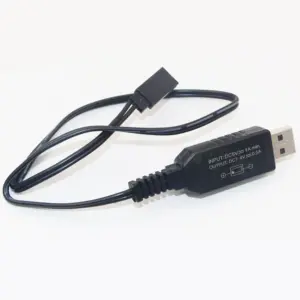
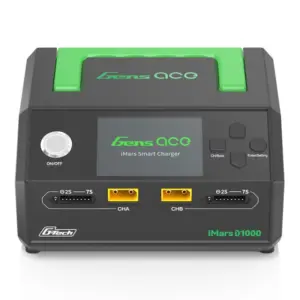
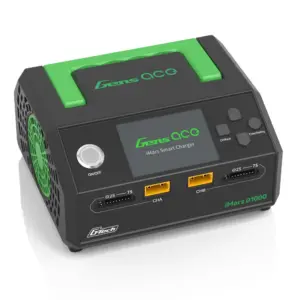
Using the right charger is fundamental to LiPo safety. Our range includes entry-level chargers for beginners and professional dual-channel AC/DC chargers for experienced hobbyists. All chargers in our range support LiPo balance charging.


Frequently Asked Questions About LiPo Battery Safety
Can I leave my LiPo battery on charge overnight?
No. You should never leave a LiPo battery charging unattended, and especially not overnight. Always monitor the charge and remove the battery promptly when it is complete. Leaving a LiPo on charge overnight is one of the most common causes of house fires involving RC batteries.
What should I do if my LiPo battery is swollen?
Stop using it immediately. A swollen (puffed) LiPo battery has experienced internal gas build-up caused by cell degradation. Do not charge, use, or attempt to puncture the battery. Discharge it safely in a salt water solution and take it to a battery recycling point.
What is the correct storage voltage for a LiPo battery?
The correct storage voltage is 3.80–3.85V per cell. Most modern chargers have a dedicated Storage Charge mode. Storing at full charge (4.20V/cell) or in a discharged state accelerates cell degradation.
Can I charge a LiPo battery in my car?
It is strongly inadvisable to charge a LiPo battery in a confined, unventilated space such as a car. Heat build-up and the inability to monitor the battery closely make this a significant fire risk. Always charge in a ventilated area with a safety bag.
What charge rate should I use?
The standard safe charge rate is 1C — equal to the battery’s capacity in amps. For example, a 5000mAh battery should be charged at 5A. Some batteries are rated for 2C charging, but 1C is always the safest option and extends battery life.
Do I need a special charger for LiPo batteries?
Yes. LiPo batteries require a charger specifically designed for LiPo chemistry with individual cell balancing capability. Using a charger designed for NiMH or other chemistries will likely damage or destroy your battery and could cause a fire.
A Final Word: LiPo Fires Are Rare
If you have read this guide and are feeling nervous about LiPo batteries, it is worth putting the risk in perspective. LiPo battery fires are genuinely rare when batteries are properly cared for. The RC hobby has millions of participants worldwide, and the vast majority of people who follow basic safety procedures — buying quality batteries, using a proper charger, balance charging, storing at the correct voltage, and not leaving charges unattended — will never experience a LiPo incident in a lifetime of hobby use.
The guidance on this page is not intended to scare you, but to make sure that if you are ever in the unlucky minority, the consequences are as minor as possible. A LiPo bag costs a few pounds. Charging on a hard surface costs nothing. Waiting to charge until you are awake and in the house costs only a little patience. These habits take seconds to adopt and provide real peace of mind.
Better safe than sorry — and with the right habits, LiPo batteries are a safe and reliable power source that will serve you well for years.